
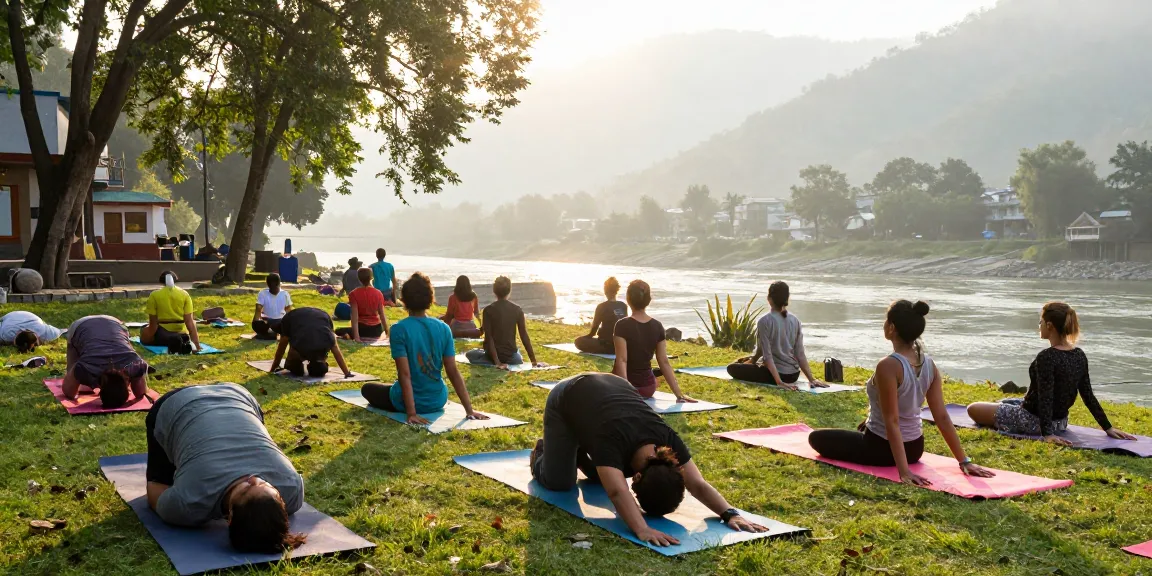
Understanding Yoga Teacher Training in Rishikesh
Yoga Teacher Training (YTT) is more than just a certification; it is a transformative journey that combines physical, mental, and spiritual growth. Rishikesh, known as the “Yoga Capital of the World,” offers a unique environment for this journey, surrounded by the majestic Himalayas and the sacred Ganges River. When exploring options, Best Yoga teacher training course in rishikesh provides comprehensive insights into the various programs designed to nurture both aspiring yoga instructors and seasoned practitioners. This article dives into the essence of YTT, what it entails, and the enriching experiences that come with it.
What is Yoga Teacher Training?
Yoga Teacher Training is a structured program aimed at educating students about the various aspects of yoga. It typically covers a range of topics including anatomy, philosophy, asanas (postures), and teaching methodologies. Participants not only learn to teach yoga but also deepen their personal practice and understanding of this ancient discipline. The training prepares individuals to lead classes confidently, while also instilling a sense of responsibility towards their students and the practice itself.
Importance of Certification in Yoga
Obtaining certification from a recognized yoga school is essential for aspiring instructors. It validates their training and knowledge, allowing them to teach professionally. Certification enhances credibility and opens doors to teaching opportunities globally. Additionally, many yoga studios and health clubs require evidence of certification before hiring instructors. Thus, a solid foundation in yoga philosophy and practice can greatly influence their career trajectory.
Overview of Training Programs in Rishikesh
Rishikesh is home to numerous yoga schools offering various training programs, typically ranging from 200-hour to 500-hour courses. These programs are designed to cater to different learning needs and levels of experience. The courses integrate traditional teachings with modern practices, providing an immersive learning experience. Students engage in a comprehensive curriculum, including practice, theory, and self-reflection, which fosters growth and transformation.
Core Subjects in Yoga Teacher Training Courses
Asanas and Their Importance
Asanas, or yoga postures, form the foundation of physical yoga practice. Each posture has specific benefits for the body and mind, enhancing flexibility, strength, and focus. The practical application of asanas teaches students how to guide others in their practice, while also understanding the anatomical nuances required for safe execution.
Pranayama Techniques for Breathing
Pranayama, the art of breath control, is a vital component of yoga. It involves various techniques that enhance respiratory function and promote relaxation. Students learn different methods to teach pranayama, enabling them to incorporate breathwork into their classes, thus enriching the overall yoga experience for their students.
Yoga Philosophy and Ethics
Understanding the philosophy behind yoga is essential for any instructor. Students delve into ancient texts such as the Yoga Sutras of Patanjali and the Bhagavad Gita, exploring the ethical dimensions of yoga practice. By integrating these teachings into their classes, instructors can guide their students toward a more conscious and mindful practice.
Daily Schedule of Our Yoga Teacher Training Course
Typical Daily Activities
The daily schedule of a yoga teacher training course is designed to strike a balance between practice, theory, and personal reflection. Mornings typically start with meditation and asana practice, followed by lectures on various subjects including anatomy and philosophy. Afternoon sessions may involve teaching practice and group discussions, culminating in evening classes focused on restorative yoga and pranayama.
Balancing Practice and Theory
A successful YTT program ensures a harmonious blend of practical and theoretical learning. This balance equips students with the skills needed to teach effectively. The integration of hands-on practice allows aspiring teachers to refine their technique while theoretical teachings provide the necessary knowledge to support their practice.
Integrating Excursions for Holistic Learning
Excursions to significant cultural and spiritual sites within Rishikesh enhance the training experience. Visits to the Ganges River for the Aarti ceremony or exploration of the Vasishta Caves deepen students’ understanding of yoga’s spiritual roots and cultural context. Such experiences foster a profound connection with the local culture and spirituality, enriching the overall learning process.
Fees and Inclusions for Rishikesh Yoga Training
What is Included in the Course Fees?
The fees for yoga teacher training in Rishikesh typically cover accommodation, meals, training materials, and certification. Most programs provide students with a comfortable living environment, meals that cater to vegetarian diets, and all necessary resources to facilitate their learning journey. This comprehensive approach ensures that students can focus solely on their practice without distractions.
Understanding Additional Costs
While the course fees cover numerous inclusions, students should be aware of potential additional costs. These may include travel expenses, personal items, or optional excursions not covered in the program. Having a clear understanding of these costs can help students budget effectively for their training.
Why Investing in Quality Training Matters
Investing in a reputable yoga teacher training program is crucial for aspiring instructors. Quality training not only provides a solid foundation in yoga but also enhances teaching skills and personal practice. The value of a well-structured program can be seen through the growth and transformation experienced by students, setting them on a successful path in their yoga careers.
Choosing the Right Yoga Teacher Training for You
Evaluating Your Goals and Expectations
Choosing the right training program requires careful consideration of personal goals and expectations. Prospective students should assess what they hope to achieve from the experience, whether it is to deepen their personal practice, become a certified instructor, or explore the philosophical aspects of yoga. Clarity on these objectives will guide them in selecting a suitable program.
Comparing Different Yoga Schools in Rishikesh
With numerous yoga schools in Rishikesh, it is essential to compare their offerings. Factors such as the experience of instructors, course curriculum, and student reviews can influence the decision-making process. Researching various schools will provide insights into their unique strengths and help aspiring teachers make informed choices.
Tips for Finding the Best Course for Your Needs
To find the best yoga teacher training course, consider visiting schools for open days or introductory classes. Talking to alumni can provide first-hand insights into the training process and outcomes. Additionally, online resources and reviews can offer valuable information on the reputation of different schools in Rishikesh.
What is the highest yoga certification?
The highest yoga certification typically aligns with the 500-hour Yoga Teacher Training program. This advanced training enhances teaching skills and delves deeper into yoga philosophy and practice, allowing instructors to expand their teaching repertoire.
Can I teach yoga without certification in India?
While it is possible to teach without certification, it is not advisable. Many students seek certified instructors, and having formal training enhances credibility and teaching opportunities. Additionally, certified instructors are more likely to possess the necessary skills and knowledge to guide students safely and effectively.
What is the difference between YTT and RYT?
Yoga Teacher Training (YTT) refers to the training process itself, while Registered Yoga Teacher (RYT) is a designation granted to those who complete their training at a recognized school. RYT certification helps establish credibility as a yoga instructor in a competitive marketplace.
How many months is yoga teacher training?
Yoga teacher training programs vary in length, with most standard courses operating on a month-long schedule. However, more extensive programs can last several months, particularly for those pursuing higher certifications such as 300-hour or 500-hour training programs.
Which certification is best for yoga?
The best certification often depends on individual goals. For more information, Sound healing course in India offers valuable insights. For those starting their yoga journey, a 200-hour certification from a Yoga Alliance accredited school lays a solid foundation. For experienced practitioners, pursuing a 300-hour or 500-hour certification enhances teaching skills and deepens understanding of yoga.