
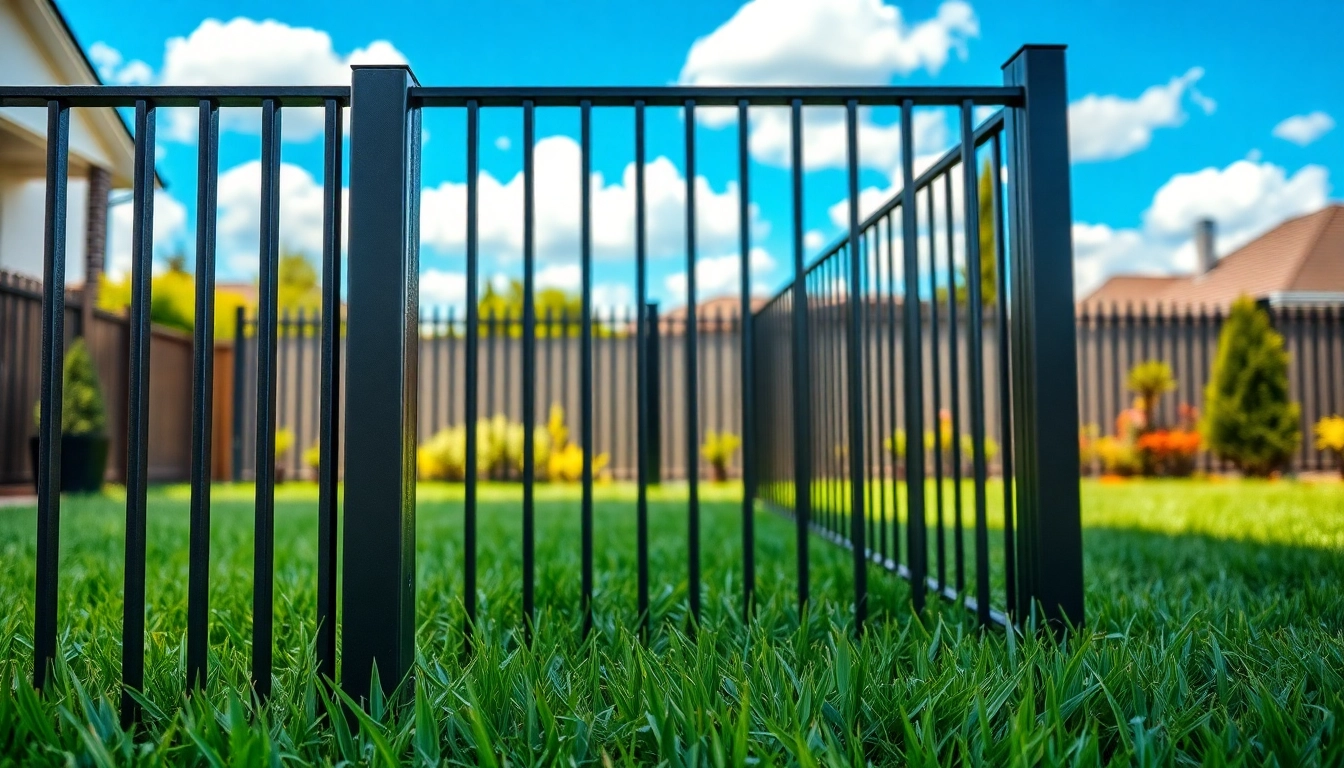
Understanding Metal Fence Panels
What are Metal Fence Panels?
Metal fence panels are robust structures designed to provide security, privacy, and aesthetic appeal to residential and commercial properties. These panels are typically composed of various types of metals, offering durability and strength that surpasses traditional wooden or vinyl fencing. They are available in numerous styles and finishes, allowing property owners to choose an option that best suits their needs and personal taste. For more comprehensive options on metal fencing, you may explore www.metalfencepanels.co.uk.
Benefits of Metal Fencing
Metal fencing comes with a multitude of advantages, making it a popular choice among property owners. Here are some key benefits:
- Durability: Metal fence panels are resilient against the elements, ensuring they last for years with minimal maintenance.
- Security: These panels provide an impenetrable barrier that is difficult for intruders to breach.
- Low Maintenance: Unlike wooden fences, metal panels resist rotting, warping, and pest damage, requiring only occasional cleaning.
- Variety of Styles: Available in various designs and colors, metal fencing can complement any landscape or architectural style.
- Eco-Friendly Options: Many metal fences are made from recycled materials, making them a sustainable choice.
Common Materials Used
Metal fence panels can be made from several types of materials, each with its unique properties:
- Aluminum: Lightweight, corrosion-resistant, and available in various styles, aluminum is a popular choice for residential properties.
- Steel: Known for its strength and sturdiness, steel fences provide high security and durability but may require protective coatings to prevent rust.
- Wrought Iron: Offering a classic look, wrought iron is both beautiful and strong, perfect for ornamental gates and fences.
- Chain Link: An economical option providing good visibility while maintaining security; it’s often coated with vinyl for enhanced durability.
Types of Metal Fence Panels
Chain Link Fencing
Chain link fencing is one of the most common types of metal fencing, recognized for its affordability and versatility. It often serves practical purposes, such as keeping pets contained or marking boundaries. Options like varying heights and coatings, including vinyl or galvanized steel, enhance its usability and aesthetics.
Wrought Iron Fencing
Wrought iron fencing is synonymous with elegance and strength. Its ornate designs can significantly elevate a property’s curb appeal while providing robust security. While durable, wrought iron requires more maintenance than other materials, primarily to prevent rust and maintain its finish.
Aluminum Fencing
Aluminum fencing is lightweight and resistant to corrosion, making it an ideal choice for areas with high moisture. These panels are available in various styles, resembling wrought iron but without the heavy maintenance. Due to their durability and low weight, they are often installed around pools, gardens, and properties requiring a decorative touch.
Installation Process for Metal Fence Panels
Preparation Steps
Before embarking on the installation of metal fence panels, some preparation steps must be followed:
- Research Local Regulations: Check local regulations and homeowners’ association guidelines to ensure compliance.
- Design Plan: Plan the layout of your fence, determining where it will be placed and how it will be secured.
- Assess the Site: Walk the intended area to inform decisions on panel types and potential obstacles (like trees or utility lines).
Tools Required
Having the right tools will facilitate a smooth installation process. Essential tools include:
- Post hole digger or auger
- Level
- Tape measure
- Power drill with metal drill bits
- Concrete mix (for securing posts)
- Wrench and screwdrivers
Step-by-Step Installation Guide
Follow these steps to install metal fence panels effectively:
- Mark the Fence Line: Use stakes and string to outline where your panels will go.
- Dig Post Holes: Use a post hole digger to create holes for your fence posts, typically around 2-3 feet deep.
- Set the Posts: Place the posts in the holes and use the level to ensure they are vertical. Secure them with concrete.
- Attach Panels: Once the concreted posts have cured, attach your metal panels using the appropriate connectors.
- Final Checks: Once all panels are installed, perform a final inspection to ensure stability and alignment.
Maintenance Tips for Metal Fence Panels
Regular Cleaning Techniques
To extend the life of your metal fence panels, regular cleaning is crucial. Use a mild detergent mixed with water to clean the panels, ensuring no abrasive materials are used to prevent scratches. Rinse thoroughly to remove any soap residue.
Rust Prevention Methods
To guard against rust, consider these strategies:
- Apply Protective Coatings: Ensure steel or wrought iron panels are coated with paint or galvanization to resist corrosion.
- Regular Inspections: Periodically inspect for any signs of rust and address them promptly to prevent further damage.
- Proper Drainage: Ensure that panels are installed in a way that promotes water runoff to minimize moisture exposure.
When to Replace Panels
Replacement of metal fence panels may be necessary when:
- The panel is severely rusted or damaged beyond repair.
- The structure is leaning significantly or unstable.
- Design changes require a complete overhaul of the fencing system.
Frequently Asked Questions about Metal Fence Panels
How long do metal fence panels last?
With proper maintenance, metal fence panels can last 20 to 30 years. Factors like material quality and environmental conditions play a significant role in longevity.
Can metal fences withstand harsh weather?
Yes, metal fences are highly resilient against extreme conditions. Features like galvanized finishes further enhance their performance in harsh weather.
What is the cost of metal fence panels?
The cost varies based on materials, sizes, and styles. Typically, prices range from £20 to £100 per panel, excluding installation costs.
Are metal fence panels easy to install?
While metal fence panels are generally user-friendly, installation can be labor-intensive, especially for larger areas. DIY installation is possible with the right tools and guidance.
Do I need planning permission for metal fencing?
Planning permission may be required depending on the height and location of your fence. It’s advisable to check local regulations before installation.