
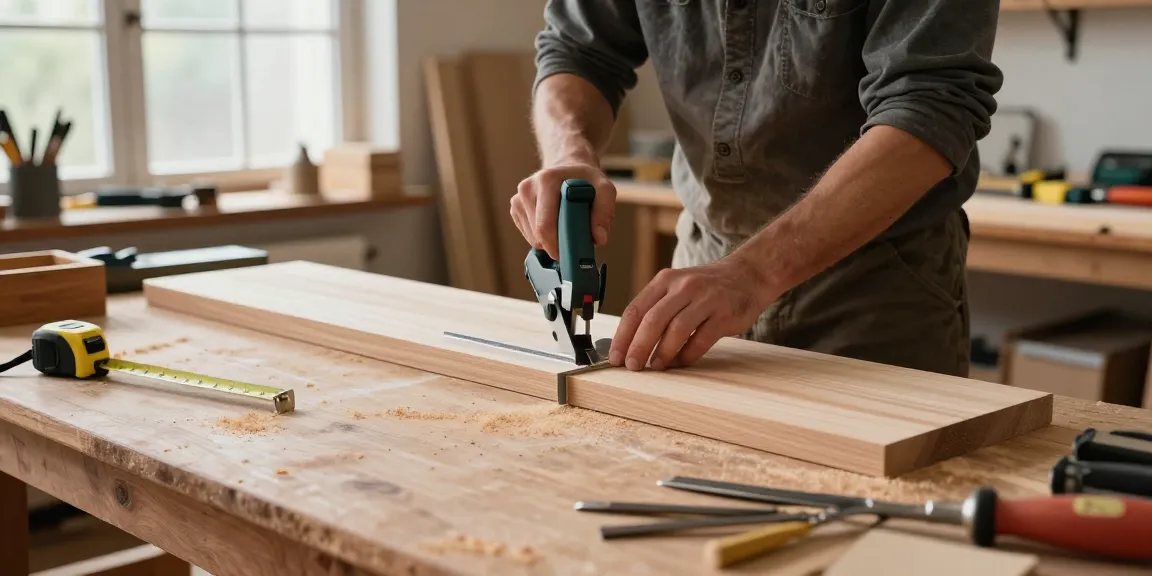
Understanding the Hand Mitre Saw: A Comprehensive Guide
The hand mitre saw is an essential tool in woodworking and construction, designed for precision and versatility. Whether you’re a seasoned craftsman or a beginner, understanding the nuances of this tool can significantly enhance your project outcomes. In this comprehensive guide, we will delve into what a hand mitre saw is, its key features, benefits, and the types of cuts it can achieve. When exploring options, a hand mitre saw provides comprehensive insights into craftsmanship that can elevate your woodworking skills.
What is a Hand Mitre Saw?
A hand mitre saw, also known as a mitre box saw, is a manual cutting tool used for making precise crosscuts and angled cuts in wood or other materials. The saw blade is mounted in a frame, allowing the user to guide it along predetermined angles, typically 45 degrees and 90 degrees. This saw is particularly useful for creating joints, picture frames, and moulding, providing greater control than power saws while requiring minimal setup.
Key Features and Benefits of Hand Mitre Saws
- Precision Cutting: With the ability to make exact angle cuts, hand mitre saws are ideal for intricate work.
- Portability: Unlike power tools, hand mitre saws can be used anywhere without the need for electricity.
- Affordability: Generally more cost-effective than their powered counterparts, making them accessible for hobbyists and professionals alike.
- Safety: Hand mitre saws are considered safer, as they do not have the same risk of kickback associated with power saws.
Types of Cuts You Can Achieve with a Hand Mitre Saw
Hand mitre saws are primarily designed for two types of cuts: crosscuts and mitre cuts. Crosscuts are made across the grain of the wood, while mitre cuts are angled cuts typically used for framing and corners. Additionally, some saws allow for bevel cuts, which are angled cuts made along the thickness of a board. Mastery of these cuts enables woodworkers to create visually appealing joints and structures.
Choosing the Right Hand Mitre Saw for Your Projects
Selecting the right hand mitre saw involves considering a variety of factors to ensure it meets your specific needs. Understanding the features and specs of different models can significantly impact your woodworking experience.
Factors to Consider When Selecting a Hand Mitre Saw
- Blade Size: Common sizes range from 10 to 14 inches, where larger blades can handle thicker materials.
- Material: Look for a saw made from high-quality materials, such as hardened steel for durability.
- Adjustability: The ability to adjust the mitre angles accurately is crucial for precision.
- Weight and Portability: A lighter model may be preferable for those who need to transport their tools frequently.
Top Brands and Models in 2026
As of 2026, several brands stand out in the hand mitre saw market for their quality and innovation. Brands like Stanley, Bosch, and DeWalt consistently receive high ratings for their craftsmanship and user-friendly designs. Look for models that offer features like ergonomic handles, easy-to-read angle markings, and robust construction for a better overall experience.
Comparing Manual vs. Powered Options
While powered mitre saws can offer speed and efficiency, hand mitre saws provide unmatched control and precision, especially for detailed work. Manual options often require more effort but can lead to greater craftsmanship. Assess your project requirements: for quick cuts, powered options might be preferable, while hand mitre saws excel in detailed, intricate work.
Mastering Techniques with a Hand Mitre Saw
Once you’ve selected your hand mitre saw, mastering the techniques for using it effectively is crucial for achieving superior craftsmanship. Understanding proper handling and cut techniques can significantly enhance the quality of your work.
Essential Safety Precautions When Using a Hand Mitre Saw
Prioritizing safety is vital when working with any saw. Always ensure you wear safety goggles to protect your eyes from sawdust and debris. Keep your fingers clear of the blade’s path, and work in a well-lit area to maintain visibility. Additionally, using clamps to secure your workpiece can prevent movement, ensuring stable and accurate cuts.
Step-by-Step Guide to Making Accurate Cuts
- Measure: Use a tape measure to mark where you want to cut, ensuring accuracy.
- Set the Angle: Adjust the mitre saw to the desired angle for your cut.
- Secure the Piece: Use clamps to hold your workpiece in place.
- Cut: Position the saw over the marked line and apply steady pressure as you cut.
- Check Your Work: After cutting, double-check the accuracy before proceeding with assembly.
Common Mistakes and How to Avoid Them
One common mistake is not measuring accurately before cutting, which can lead to wasted materials. Always double-check your measurements. Additionally, improper handling can lead to uneven cuts; ensuring your technique is consistent can help produce clean edges.
Enhancing Your Woodworking Skills with Add-Ons
To maximize the effectiveness of your hand mitre saw, consider using accessories and complementary tools. The right add-ons can significantly enhance your efficiency and precision when working on various projects.
Useful Accessories for Hand Mitre Saws
- Cuts Guides: Using a guide rail can help ensure straight and accurate cuts.
- Vise Clamps: These can help secure your workpiece firmly during cutting.
- Replacement Blades: Keeping sharp blades is essential for clean cuts; having a few options can allow you to switch based on the material.
Combining the Hand Mitre Saw with Other Tools
Integrating a hand mitre saw with other tools, such as a table saw or jigsaw, can increase your workshop’s capabilities. For example, using a table saw for ripping lumber before making precise mitre cuts can save time and energy, allowing for a seamless workflow.
DIY Projects to Practice Your Skills
To hone your hand mitre saw skills, consider taking on projects like building a picture frame or crafting simple furniture, such as a bookshelf. These projects require various cuts, providing practical experience while also resulting in finished products that you can use or display.
Trends in Woodworking and the Future of Hand Mitre Saws
The woodworking industry is evolving, with emerging technologies and sustainability trends shaping the future of tools like hand mitre saws. Staying informed on these trends can help you adapt and remain competitive in your craft.
Emerging Technologies in Woodworking Equipment
Advancements in materials and design are enhancing the functionality and durability of hand mitre saws. New blade technologies, like carbide-tipped blades, increase cutting efficiency and lifespan, making these tools more versatile than ever before.
Sustainability Trends in Woodworking Materials
As environmental awareness grows, more manufacturers are focusing on sustainable materials. Using reclaimed wood or eco-friendly adhesives not only helps the planet but also gives your projects a unique character.
Future-Proofing Your Skills for 2026 and Beyond
Continuously learning and adapting to new techniques and technologies is essential for staying relevant in woodworking. Attend workshops, watch tutorials, and engage with communities online to keep your skills sharp and informed about industry changes.
What is a hand mitre saw used for?
A hand mitre saw is primarily used for making precise angled and crosscuts in various materials, making it perfect for tasks like cutting moulding, framing, and furniture making.
How do you maintain a hand mitre saw?
Regular maintenance includes keeping the blade clean, sharp, and properly adjusted. Periodically check the saw’s frame for damage and ensure that all moving parts are lubricated and operating smoothly.
Can a hand mitre saw replace power saws?
While hand mitre saws can deliver precision, they may not replace powered saws for all tasks, especially when speed is essential. However, for detailed work, they often outshine powered options due to their control and accuracy.
What materials can I cut with a hand mitre saw?
Common materials include softwoods, hardwoods, and even some composite materials, depending on the blade used. Always ensure you have the correct blade for the material type to achieve optimal results.
Are hand mitre saws suitable for beginners?
Yes, hand mitre saws are well-suited for beginners. For more information, Mister Worker offers valuable insights. Their simplicity and manual operation allow new woodworkers to develop their skills without the intimidation of complex machinery.