
Posted on

Hiring Your New Jersey Construction Manager: Key Insights and Tips

New Jersey Construction Manager directing a vibrant construction site, showcasing blueprints and plans.

Understanding the Role of a New Jersey Construction Manager

The role of a New Jersey Construction Manager is vital in overseeing the various aspects of construction projects. These professionals serve as the backbone of any project, ensuring that every facet runs smoothly from inception to completion. They possess a unique combination of technical skills, leadership qualities, and practical experience, which are essential for navigating the complexities of building projects. By employing an expert like a New Jersey Construction Manager, clients can significantly enhance the efficiency and success of their construction endeavors.

Responsibilities of a Construction Manager

A New Jersey Construction Manager is responsible for a wide array of duties that can be divided into several key areas:

  • Project Planning: They develop detailed construction plans that include project timelines, resource allocations, and budgeting to ensure that projects are completed on time and within budget.
  • Coordination: Construction Managers act as the key liaison between the client, architects, contractors, and subcontractors, facilitating clear communication to avoid misunderstandings.
  • Compliance and Safety: They are responsible for ensuring that all construction activities comply with local, state, and federal regulations, including zoning laws and safety standards.
  • Quality Control: A construction manager regularly inspects work to ensure it meets quality standards, addressing any potential issues before they become major problems.
  • Risk Management: They anticipate potential risks and devise strategies to mitigate them, safeguarding the project’s progress and budget.

Key Skills Required

For effective project delivery, a New Jersey Construction Manager must possess several essential skills:

  • Leadership: Strong leadership capabilities are necessary for managing teams, motivating personnel, and making decisive decisions quickly.
  • Communication: Exceptional verbal and written communication skills are crucial for conveying information clearly to stakeholders at all levels.
  • Negotiation: A construction manager should be adept in negotiating contracts and resolving disputes that may arise throughout the project.
  • Problem-Solving: They must think critically and develop innovative solutions to unexpected challenges that can impact project timelines and budgets.
  • Technical Knowledge: An understanding of engineering principles, construction techniques, and material specifications is essential for overseeing operations effectively.

Why Hire a Construction Manager

Hiring a New Jersey Construction Manager can be transformative for your construction project. Here are the key reasons why:

  • Efficiency: Construction Managers streamline processes, reducing delays and ensuring the project remains on schedule.
  • Cost Savings: Their extensive industry knowledge helps identify budgetary savings over the project lifecycle, ensuring financial resources are used wisely.
  • Expertise: They bring a wealth of knowledge in construction practices, which helps to avoid common pitfalls that can derail projects.
  • Focus: Clients can focus on their core business activities while the construction manager handles the project details.
  • Conflict Resolution: With a construction manager, potential conflicts can be resolved quickly and effectively, minimizing delays.

How to Choose the Right New Jersey Construction Manager

Choosing a New Jersey Construction Manager is a critical step in ensuring the success of your construction project. It involves evaluating several critical factors and gathering relevant information to make an informed decision.

Criteria for Selection

When selecting a construction manager, consider the following criteria:

  • Experience: Look for a construction manager with a proven track record in handling projects similar to yours in scope and complexity.
  • Qualifications: Verify their educational background and certifications, which indicate their knowledge and professionalism in the field.
  • References: Seek feedback from past clients regarding their experience with the manager, focusing on reliability, professionalism, and communication skills.
  • Capabilities: Ensure they have the necessary resources, including support teams and technology, to manage your project effectively.
  • Approach: Understand their project management methodology and how they plan to execute your project.

Questions to Ask Potential Managers

When interviewing potential construction managers, pose the following questions:

  • What is your experience with projects similar to mine?
  • Can you provide references from past clients?
  • What strategies do you use to ensure projects stay on schedule and within budget?
  • How do you handle conflicts or unexpected challenges?
  • What communication methods do you use to keep stakeholders informed?

Checking References and Reviews

Before finalizing your choice, conduct thorough research by checking references and reviews:

  • Contact references provided by the construction manager and ask about their experiences, including any issues faced and how they were resolved.
  • Look for online reviews and testimonials on reputable websites to gauge the manager’s reputation in the industry.
  • Consult with industry peers or networks to gather additional insights into the manager’s performance and professionalism.

Cost Considerations for Hiring a New Jersey Construction Manager

The cost associated with hiring a New Jersey Construction Manager varies widely depending on the project’s complexity. Understanding the pricing structure and how to budget for construction management fees is essential.

Understanding Pricing Structures

Construction managers may charge based on various pricing structures, including:

  • Percentage of Project Cost: A common method where the manager charges a percentage of the total construction cost, typically ranging from 5% to 15%.
  • Fixed Fee: In this scenario, the construction manager agrees to a fixed fee for their services, providing cost certainty for the client.
  • Hourly Rates: Some managers may charge an hourly rate, which can vary based on their experience and expertise.
  • Retainer Model: For ongoing projects, managers may charge a retainer fee, ensuring immediate availability and prioritization of your project.

Budgeting for Construction Management Fees

Incorporate the construction management fees into your overall project budget effectively by following these steps:

  • Calculate an estimated range for fees based on the selected construction manager’s pricing structure.
  • Include a contingency allowance in your budget for unforeseen expenses that may arise during the project.
  • Monitor and adjust your budget regularly to account for any changes in project scope or estimated costs.
  • Discuss and clarify fee structures with the selected construction manager upfront to avoid surprises later on.

Cost-Saving Tips

To minimize costs while hiring a construction manager, consider these cost-saving strategies:

  • Research multiple construction managers and compare their offerings, ensuring that you choose one who provides the best value for your project.
  • Clearly outline project scopes and expectations to reduce the risk of scope creep, which can lead to additional costs.
  • Engage in open discussions regarding costs with the construction manager, and see if they can recommend any cost-effective materials or methods.
  • Evaluate your project’s timeline and determine if there are opportunities for efficiency, such as parallel processes, to save on labor costs.
  • Maintain clear communication and collaboration with your construction manager to promote effective problem resolution and minimize downtime.

Best Practices for Working with a Construction Manager

To foster a productive relationship and ensure project success, adhere to these best practices when working with a New Jersey Construction Manager:

Establishing Clear Communication

Clear communication is essential for the success of any construction project:

  • Set regular meetings to discuss progress, address concerns, and provide updates on the project.
  • Utilize project management tools and platforms to share documents, schedules, and communications in a structured manner.
  • Encourage open dialogue between all stakeholders to ensure transparency and build trust.

Setting Project Goals and Milestones

Defining clear project goals and milestones can guide the project toward successful completion:

  • Work collaboratively with your construction manager to establish specific, measurable goals that align with project expectations.
  • Create a timeline that includes critical milestones, allowing for regular assessments of progress.
  • Encourage adaptability by being prepared to adjust goals as necessary based on evolving project conditions.

Regular Updates and Adjustments

Implementation of regular updates can enhance project oversight:

  • Schedule progress reports to share the current status of the project, highlighting accomplishments and any potential setbacks.
  • Be proactive in addressing issues and making adjustments to the project plan when challenges arise.
  • Solicit feedback from your construction manager and other stakeholders to gather diverse perspectives on the project’s trajectory.

Measuring Success: Performance Metrics for Construction Management

To assess the effectiveness of a construction manager, rely on key performance indicators (KPIs) and evaluation methodologies:

Key Performance Indicators (KPIs)

Select relevant KPIs to measure your construction project’s success:

  • Project Schedule Adherence: Measure how well the project sticks to the original timeline.
  • Budget Variance: Compare the estimated costs against actual expenditures to evaluate financial performance.
  • Quality Metrics: Track the number of reworks, defects, and quality control failures throughout the project.
  • Stakeholder Satisfaction: Regularly survey clients, team members, and other stakeholders for feedback on project performance.
  • Safety Record: Evaluate the safety performance through incidents and compliance with safety protocols.

Evaluating Project Outcomes

After project completion, conduct a comprehensive evaluation to gather insights:

  • Review project performance and compare planned vs. actual results, focusing on timeline, budget, and quality.
  • Analyze feedback from stakeholders and clients to identify areas for improvement and strengths.
  • Document lessons learned throughout the project to build a repository of knowledge for future projects.

Continuous Improvement Strategies

Promote continuous improvement by implementing these strategies:

  • Encourage a culture of feedback, making it easy for team members to provide input on processes and outcomes.
  • Invest in training and development opportunities for the construction manager and team to refine skills and gain new knowledge.
  • Regularly assess operational efficiencies, exploring new technologies and methods to streamline processes.
  • Establish a performance review system to evaluate management practices regularly and implement changes where necessary.

Frequently Asked Questions (FAQs)

What does a construction manager do?

A construction manager oversees the planning, coordination, and execution of construction projects, managing timelines, budgets, and project quality throughout.

How do I choose the right construction manager?

Evaluate their experience, qualifications, communication style, and reputation to ensure they can meet your project’s needs effectively.

What are common payment structures for construction managers?

Payment structures often include a percentage of project costs, fixed fees, hourly rates, or retainer models, depending on the project’s specifics.

How much do construction managers typically cost?

Costs vary significantly based on project scope and complexity, but they generally range from 5% to 15% of total construction costs or involve a fixed fee.

What should I expect when working with a construction manager?

You can expect regular updates, open communication, adherence to project timelines and budgets, along with proactive problem-solving throughout the project lifecycle.

Posted on

Strategic Insights for a Manhattan Construction Manager: Elevate Project Delivery

Manhattan Construction Manager focused on overseeing a skyscraper project with cranes and blueprints.

The Role of a Manhattan Construction Manager

In the fast-paced world of construction, the role of a Manhattan Construction Manager is pivotal. As the bridge between stakeholders, trades, and project objectives, these managers ensure that construction projects operate smoothly within Manhattan’s unique urban framework. From overseeing daily operations to managing budgets, their expertise is the backbone of any successful project.

Core Responsibilities and Functions

Manhattan Construction Managers serve multiple roles, making their responsibilities broad and varied. Essential functions include:

  • Project Oversight: Managing the entire project lifecycle from conception to completion.
  • Budget Management: Developing and adhering to a financial plan to ensure fiscal responsibility.
  • Scheduling: Creating and maintaining timelines to ensure project milestones are met on time.
  • Team Leadership: Directing various teams, including contractors, subcontractors, and client representatives.
  • Quality Assurance: Ensuring work meets specified standards and complies with regulations.

Critical Skills Required

To excel as a Manhattan Construction Manager, several key skills are necessary:

  • Leadership: Ability to manage diverse teams and resolve conflicts.
  • Communication: Effective interaction with clients, architects, and laborers.
  • Problem-solving: Navigating challenges that may arise during construction.
  • Technical Knowledge: Familiarity with building codes and construction practices.
  • Negotiation: Skills necessary for managing contracts and procurement.

Daily Operations and Management

The daily operations of a Manhattan Construction Manager are dynamic and require a nuanced approach. Managers engage in activities such as:

  • Site Meetings: Regular meetings with teams to discuss progress and address challenges.
  • Progress Monitoring: Assessing project timelines and ensuring milestones are achieved.
  • Resource Allocation: Distributing labor and materials efficiently to optimize performance.

Effective Project Planning

Project planning is critical to the successful delivery of construction projects. It encompasses several stages:

Initial Assessment and Budgeting

Before any project kicks off, a thorough assessment is essential. This includes:

  • Feasibility Studies: Analyzing the viability of the project in terms of finances and logistics.
  • Cost Estimation: Detailed budgeting that accounts for all potential expenses and contingencies.
  • Financial Structuring: Developing a solid financial framework to secure necessary funding.

Timeline Development and Scheduling

Creating a comprehensive timeline is crucial. Key elements include:

  • Milestone Identification: Establishing critical deadlines that drive the project forward.
  • Task Sequencing: Organizing activities logically to ensure efficient workflow.
  • Buffer Times: Incorporating slack periods to account for unexpected delays.

Risk Management Strategies

A successful project plan must include risk management strategies. Construction Managers should:

  • Identify Risks: Reviewing potential issues that might disrupt the project.
  • Mitigation Plans: Developing contingency strategies to address anticipated challenges.
  • Monitoring: Regularly assessing risks throughout the project lifecycle.
Sourcing and Managing Resources

Efficient sourcing and management of resources are essential for maintaining momentum in construction projects. Here are some guidelines:

Importance of Supplier Relationships

Building strong relationships with suppliers can lead to better pricing, quality assurance, and timely deliveries. Managers should focus on:

  • Selecting Reliable Suppliers: Vet suppliers based on performance history and capabilities.
  • Negotiating Contracts: Ensuring favorable terms that align with project needs.
  • Regular Communication: Maintaining an open dialogue to quickly address any issues.

Labor Management Techniques

Effective labor management is another crucial aspect. Strategies include:

  • Workforce Planning: Anticipating labor needs based on project phases.
  • Training Programs: Implementing safety and skills training to maintain a proficient workforce.
  • Conflict Resolution: Addressing disputes quickly to keep the project on track.

Material Procurement Best Practices

Material procurement should ensure quality and cost-effectiveness. Actions include:

  • Timely Ordering: Ensuring materials are ordered well in advance of need.
  • Quality Checks: Inspecting materials upon delivery to prevent delays.
  • Inventory Management: Keeping accurate records to minimize waste and optimize storage.

Communication and Team Coordination

Clear communication and effective coordination among team members significantly enhance project delivery. Here are vital strategies:

Implementing Clear Communication Channels

Establishing robust communication channels is key. This can be achieved through:

  • Defined Protocols: Creating standard procedures for communication among teams.
  • Regular Updates: Keeping everyone informed on project status, schedules, and changes.
  • Feedback Mechanisms: Encouraging open feedback to improve communication effectiveness.

Collaborative Software Solutions

Utilizing collaboration tools enhances team efficiency. Some popular software solutions include:

  • Project Management Tools: Platforms like Procore or Asana help streamline tasks.
  • Document Sharing: Using cloud storage for easy access and sharing of project files.
  • Communication Apps: Implementing messaging platforms for real-time discussions.

Building a Cohesive Team Environment

Creating a positive team environment fosters productivity. Effective methods include:

  • Team Bonding Activities: Encouraging social interactions to strengthen relationships.
  • Recognizing Achievements: Celebrating milestones to motivate and engage the team.

Measuring Success as a Manhattan Construction Manager

Success in construction management can be quantified through various methods. Understanding these metrics is essential for continuous improvement:

Key Performance Indicators (KPIs)

Utilizing KPIs provides a clear measure of performance. Important metrics include:

  • Budget Adherence: Comparing projected costs against actual expenditures.
  • Schedule Performance: Analyzing the efficiency of timeline execution.
  • Quality Metrics: Assessing the number of defects or rework required.

Feedback Loops and Continuous Improvement

Establishing feedback mechanisms allows for ongoing enhancements. Managers should consider:

  • Post-Project Reviews: Analyzing what went well and areas for improvement.
  • Stakeholder Surveys: Gathering input from all parties involved in the project.

Case Studies of Successful Projects

To illustrate success in action, examining completed projects offers invaluable insights. Notable examples highlight:

  • Innovative Approaches: Techniques employed that led to above-average outcomes.
  • Collaboration Highlights: Instances where teamwork was especially effective.

Frequently Asked Questions

What qualifications are needed to become a Manhattan Construction Manager?

A Bachelor’s degree in construction management or related field, coupled with experience, is typically required.

How does a construction manager handle project delays?

By implementing risk management strategies and adjusting schedules, a construction manager can mitigate delays effectively.

What are the typical projects handled by a construction manager?

Construction managers often oversee residential buildings, commercial properties, infrastructure projects, and renovations.

How important is teamwork for a construction manager?

Teamwork is crucial; successful projects depend on collaboration and the effective management of diverse teams.

What role does technology play in construction management?

Technology improves efficiency through project management software, communication tools, and safety innovations.

Posted on

Upgrade Your Space with a Chic Black Shower Door: Style & Functionality Combined

Spotlight on a stylish black shower door in a modern bathroom design, featuring elegant fixtures and natural light.

The Appeal of Black Shower Door in Modern Bathrooms

The black shower door has become a hallmark of contemporary bathroom design. As homeowners seek sophistication and elegance in their interiors, this striking feature provides not only functionality but also a visual impact that can transform a mundane space into a stylish sanctuary. With its deep hues and sleek profile, the allure of the black shower door lies in its ability to complement a wide array of décor while offering practical benefits.

Design Versatility and Aesthetic Pros

The versatility of a black shower door is unparalleled. Its neutral yet bold presence allows it to harmonize with various styles, from minimalist and modern to rustic and traditional. Homeowners can easily incorporate this design element without worrying about clashing with existing fixtures or color palettes.

In addition to being stylish, a black shower door can elevate the overall aesthetic of the bathroom. Its reflective surface captures light, creating an illusion of space and depth, while its solid color provides a striking contrast against lighter tiles and walls. This dynamic perspective adds an extra layer of visual interest, ensuring that the bathroom remains a focal point in the home.

How Black Complements Various Decor Styles

Black is often perceived as a risky choice, but in fact, it enhances many design styles. For modern bathrooms, a black shower door offers a sleek, edgy touch that aligns with clean lines and geometric shapes. In contrast, when paired with vintage or bohemian décor, it serves as a grounding element that balances more ornate features and finishes.

The appeal extends to industrial-themed spaces where the robust and raw feeling of black works beautifully with materials like exposed brick or metal accents. Furthermore, for classic aesthetics, a black shower door can be accentuated with gold or brass fixtures, adding an element of luxury to the traditional styling.

Enhancing Space Perception with Color

Color psychology plays a crucial role in interior design, and black can create an environment that feels both expansive and intimate. A black shower door can provide a sense of depth, helping to make a small bathroom appear more spacious. By framing the shower area beautifully, it directs the eye upward and outward, ultimately enhancing the overall perception of space.

Moreover, using a black shower door in a well-lit environment accentuates its sleek look, with light reflecting off the surface. This reflection can create a feeling of openness while adding to the contemporary ambiance of the bathroom.

Choosing the Right Black Shower Door

When selecting the ideal black shower door, several factors need to be taken into account, including material, style, and dimensions, to ensure that the installation meets both aesthetic and functional needs.

Material Options: Glass vs. Acrylic

One of the first considerations when choosing a black shower door is the material. Glass and acrylic are the two most common options, each with distinctive characteristics.

Glass doors are generally favored for their durability and easy maintenance. They offer a sophisticated look and are available in various thicknesses, enhancing their resilience. Tempered glass is particularly recommended as it is less likely to shatter, guaranteeing safety.

Acrylic doors, on the other hand, are lightweight and less expensive than glass. They can come in a variety of styles and finishes and are an excellent choice if budget constraints are a concern. While acrylic is generally easier to install and handle, it may not possess the same longevity or visual clarity as glass.

Types and Styles of Black Shower Doors

Different artistic expressions in shower door design can significantly impact the overall aesthetic appeal of a bathroom. Typically, black shower doors come in several styles, including:

  • Frameless: These doors enhance modern designs with minimal clutter and are perfect for creating a seamless look.
  • Framed: Offering a more traditional aesthetic, framed black shower doors provide added stability and are generally easier to install.
  • Sliding: Ideal for smaller bathrooms, sliding doors save space while providing easy access to the shower.
  • Bi-fold: These doors fold inwards to maximize space, making them suitable for compact areas.

Measuring for the Perfect Fit

Accurate measurements are crucial to ensure that your black shower door fits correctly. Start by measuring the height and width of the shower opening. If you plan to install a sliding or bi-fold door, you’ll also need to measure the area where the tracks will be placed.

It’s essential to check for any irregularities in the wall or floor, as this can affect the installation process. Always round down to the nearest eighth of an inch to account for any gaps that may arise during installation.

Installation Process for Black Shower Door

The installation process of a black shower door is straightforward but requires careful planning and execution. Understanding whether to opt for a DIY project or hire a professional can influence the outcome greatly.

DIY vs. Professional Installation

Many homeowners consider DIY installation to save costs. However, while this is feasible, it requires a moderate skill level in carpentry and plumbing. If choosing this route, be prepared with the right tools and guidance from manufacturer instructions.

Alternatively, hiring a professional can bring peace of mind. Experts can ensure precise measurements and proper sealing, reducing potential issues in the future. While this option carries an upfront cost, the investment often pays off in terms of quality and longevity.

Essential Tools and Materials

Regardless of your choice to go DIY or professional, understanding which tools and materials are needed is crucial. Essential tools for installation generally include:

  • Drill and drill bits
  • Screwdriver
  • Level
  • Measuring tape
  • Pencil
  • Sealant

Additionally, having the correct materials—such as anchors, screws, and the shower door itself—is vital for a successful installation.

Step-by-Step Installation Guide

For those who opt for a DIY installation, here’s a simplified guide:

  1. Preparation: Clear the shower area and ensure all tools and materials are ready.
  2. Measure:
  3. Bracket Installation: Mark and install the top and bottom brackets where the doors will be mounted.
  4. Attach Hinges: Fix the hinges to the door, ensuring they are securely screwed into place.
  5. Install Door: Place the door in position and fasten it to the hinges securely.
  6. Seal Edges: Apply sealant around the edges for waterproofing, ensuring no water leakage.
  7. Final Checks: Test the door for proper operation before cleaning and finishing your workspace.

Maintenance Tips for Longevity

To keep your black shower door looking its best, regular maintenance is essential. Proper care not only prolongs the life of the door but also preserves its elegance and functionality.

Cleaning Products for Black Shower Doors

When cleaning your black shower door, avoid using abrasive cleaners, which can scratch the surface. Instead, opt for gentle solutions like a diluted vinegar and water mixture or mild soap and warm water. Use a soft cloth or sponge to apply the solution, ensuring you avoid harsh scrubbing that can damage the finish.

For glass doors, consider using a glass cleaner specifically designed for tinted surfaces to maintain clarity without streaks. Regular cleaning helps avoid buildup from soap scum and water spots, keeping your door pristine.

Preventing Hard Water Stains

Hard water stains can be a persistent issue, especially in regions with high mineral content in the water. To prevent this, consider installing a water softener, which can reduce mineral deposits on your shower door.

Additionally, wiping the door down with a squeegee or microfiber cloth after each use can significantly minimize water spots and buildup. A weekly cleaning routine incorporating vinegar can also help maintain a clear finish.

Regular Inspection and Upkeep

Aside from cleaning, regular inspection of the door’s seals and hardware is crucial. Check for any signs of wear or damage, such as peeling sealant or loose hinges. Addressing these issues promptly can prevent further damage and costly repairs later on.

Periodically tightening screws and hinges ensures that the door remains securely in place, minimizing the risk of accidents and preserving its functionality.

FAQs about Black Shower Doors

What are the benefits of choosing a black shower door?

Black shower doors offer a modern aesthetic that enhances the elegance of any bathroom. They’re durable, low-maintenance, and provide a striking contrast to light-colored decor.

Can black shower doors fit in smaller bathrooms?

Yes! Black shower doors can create an illusion of depth, making small bathrooms appear larger while adding a touch of sophistication.

Are black shower doors prone to streaking?

While black shower doors can show water spots, regular cleaning with suitable products helps maintain their appearance and avoid staining.

Is it difficult to install a black shower door?

Installation difficulty depends on the type. While DIY is possible for those handy, professional installation ensures precise fitting and reduces risks.

How do I keep my black shower door looking new?

Regular cleaning with mild soap and water, along with the use of a squeegee after each use, helps maintain the fresh look of your black shower door.

Posted on

Die Vorteile einer dusche 100×100 für Ihr Badezimmer

Moderne dusche 100x100 in einem stilvollen Badezimmer mit eleganten Details.

Einführung in die dusche 100×100

Was ist eine dusche 100×100?

Die dusche 100×100 ist eine Duschkabine, die ein quadratisches Design mit einer Seitenlänge von 100 cm aufweist. Diese Dimensionen machen sie zu einer idealen Wahl für viele Badezimmer, die eine effiziente Nutzung des Raums kombinieren möchten. Sie bietet genügend Platz für eine entspannende Dusche, ohne dass der gesamte Raum überladen wirkt. Aufgrund ihrer kompakten Größe lässt sich die dusche 100×100 sowohl in einen großen als auch in einen kleinen Badezimmerbereich integrieren.

Vorteile gegenüber anderen Duschgrößen

Die dusche 100×100 bringt zahlreiche Vorteile mit sich, die sie der Konkurrenz überlegen machen. Zunächst einmal gewährleistet ihre Größe einen komfortablen Duschbereich, der ausreichend Platz zum Bewegen bietet, jedoch nicht so viel Raum einnimmt wie größere Modelle. Diese optimale Balance zwischen Größe und Platznutzung macht sie besonders geeignet für Wohnungen oder Häuser mit begrenztem Platzangebot.

Ein weiterer Vorteil ist die einfache Installation. Im Vergleich zu größeren Duschmodellen benötigt die dusche 100×100 weniger Platz und somit auch weniger aufwendige Vorbereitungen zur Installation. Außerdem kann sie in unterschiedlichste Badezimmer-Layouts eingefügt werden, ohne dass größere bauliche Veränderungen nötig wären.

Beliebte Designs und Stile

Die Auswahl an Designs für die dusche 100×100 ist vielfältig und reicht von modernen minimalistischen Stilen bis hin zu klassischen und luxuriösen Ausführungen. Viele Modelle verfügen über rahmenlose Glastüren, die ein modernes und elegantes Erscheinungsbild bieten. Andere Designs nutzen farbiges oder gemustertes Glas, um einen individuellen Akzent zu setzen.

Zur weiteren Individualisierung können Sie auch optionale Extras wie LED-Beleuchtung, Massagedüsen oder ergonomische Armaturen hinzufügen, um ein personalisiertes Duscherlebnis zu schaffen.

Die perfekte Auswahl der dusche 100×100

Materialien und deren Vorzüge

Bei der Auswahl einer dusche 100×100 ist das Material ein entscheidender Faktor. Glas ist das am häufigsten verwendete Material, da es sowohl ästhetisch ansprechend als auch leicht zu reinigen ist. Sicherheitsglas, das splittersicher ist, ist besonders empfehlenswert, um Sicherheit und Langlebigkeit zu gewährleisten.

Zusätzlich haben einige Modelle Glas mit einer speziellen Anti-Schmutz-Beschichtung, die die Ansammlung von Wasser- oder Seifenresten minimiert. Der Rahmen kann aus rostfreiem Stahl oder Aluminium bestehen, die beiden Materialien bieten Robustheit und eine ansprechende Optik.

Installation und Anordnung im Raum

Die Installation einer dusche 100×100 erfordert eine sorgfältige Planung. Achten Sie darauf, dass genügend Platz für die Zugangsmöglichkeiten und die Duschfunktionen vorhanden ist. Die Anordnung im Raum sollte so gewählt werden, dass eine optimale Nutzung der vorhandenen Sanitärinstallationen gewährleistet ist. Oft ist es auch hilfreich, einen Experten zu konsultieren, insbesondere wenn es um die Erstellung eines individuellen Wasserablaufs geht.

Farben und Anpassungsmöglichkeiten

Die Farbpalette für eine dusche 100×100 ist breit gefächert. Viele Modelle bieten Optionen in klassischem Weiß, was eine zeitlose Eleganz ausstrahlt. Aber auch kräftige Farben oder spezielle Schattierungen wie Anthrazit oder Beige sind beliebt, um einen individuellen Stil zu unterstreichen. Einige Hersteller bieten sogar die Möglichkeit, das Glas zu bedrucken, um es an das restliche Badezimmerdesign anzupassen.

Pflegetipps für die dusche 100×100

Regelmäßige Reinigung und Pflege

Um die Schönheit und Funktionalität Ihrer dusche 100×100 langfristig zu erhalten, ist eine regelmäßige Reinigung unerlässlich. Nutzen Sie milde Reinigungsmittel und weiche Schwämme, um Kratzer zu vermeiden. Besonders effektiv sind auch spezielle Duschreiniger, die Kalk- und Seifenrückstände sanft entfernen.

Vermeidung von Schimmel und Ablagerungen

Um Schimmelbildung in Ihrer dusche 100×100 zu vermeiden, sollten Sie nach jeder Benutzung die Wände und den Boden der Duschkabine mit einem Abzieher abziehen. Dies minimiert die Wasseransammlungen und verringert das Risiko von Schimmel und unangenehmen Gerüchen. Achten Sie auch auf eine gute Belüftung im Badezimmer, um die Luftfeuchtigkeit zu reduzieren.

Wartung der Beschläge und Dichtungen

Die Wartung der Beschläge und Dichtungen ist ein wichtiger Aspekt, um die Funktionsfähigkeit Ihrer dusche 100×100 zu gewährleisten. Überprüfen Sie regelmäßig die Dichtungen auf Abnutzung und ersetzen Sie diese gegebenenfalls, um Wasserlecks zu verhindern. Die Beschläge sollten auf Rost oder Korrosion untersucht werden. Ein regelmäßiger Schmiergang kann die Lebensdauer dieser Teile erheblich verlängern.

Preisklassen und Budgetplanung

Kosten für Material und Installation

Die Kosten für eine dusche 100×100 können je nach Material, Design und Installationsaufwand variieren. Im Allgemeinen liegen die Preise für eine Standard-Duschkabine zwischen 500 und 2000 Euro. Hierbei sollte auch die Installation berücksichtigt werden, die je nach Komplexität zusätzliche Kosten erzeugen kann.

Wertsteigerung des Badezimmers

Die Investition in eine dusche 100×100 kann auch als eine wertsteigernde Maßnahme für Ihr Badezimmer betrachtet werden. Ein modern gestaltetes Badezimmer mit hochwertigen Duschlösungen kann den Verkaufswert Ihrer Immobilie erheblich steigern. Potenzielle Käufer legen großen Wert auf funktionale und ästhetisch ansprechende Badezimmer.

Tipps für die Kosteneinsparung

Um bei der Anschaffung einer dusche 100×100 zu sparen, können Sie einige Strategien anwenden. Occasion-Modelle oder Auslaufartikel können oft erheblich günstiger erworben werden. Zudem ist es ratsam, mehrere Angebote von verschiedenen Handwerkern einzuholen, um die Installation zu einem optimalen Preis durchführen zu lassen.

Häufig gestellte Fragen zur dusche 100×100

Wie wähle ich die richtige dusche 100×100 aus?

Achten Sie beim Kauf der dusche 100×100 auf die Größe, das Material und das Design. Überlegen Sie auch, ob Sie spezielle Features wie Massagedüsen oder eine spezielle Pflegebeschichtung wünschen.

Wie pflege ich meine dusche 100×100 richtig?

Verwenden Sie milde Reinigungsmittel und einen weichen Schwamm. Trocknen Sie die Duschflächen nach jeder Benutzung ab, um Kalkablagerungen zu minimieren.

Welche Materialien sind am besten für eine dusche 100×100?

Sicherheitsglas ist eine hervorragende Wahl, da es sowohl stabil als auch ästhetisch ist. Rahmen aus rostfreiem Stahl oder Aluminium sind langlebig und pflegeleicht.

Wie beeinflusst die Wahl der dusche 100×100 den Preis meines Badezimmers?

Die Wahl der dusche 100×100 kann den Gesamtwert Ihres Badezimmers erhöhen. Hochwertige Materialien und ein modernes Design sprechen potenzielle Käufer an.

Wo finde ich die besten Angebote für dusche 100×100?

Die Suche online oder in regionalen Sanitärfachgeschäften kann gute Rabatte bieten. Vergleichen Sie verschiedene Anbieter, um das beste Angebot zu finden.

Posted on

Die Vorteile der sonni Duschkabine 90×90 für Ihr Badezimmer

Erleben Sie die moderne sonni Duschkabine 90x90 mit eleganten Glas- und Chromdetails.

Einleitung zur sonni Duschkabine 90×90

Die sonni Duschkabine 90×90 stellt eine exzellente Wahl für moderne Badezimmer dar. Egal, ob Sie ein kleines Badezimmer haben oder den verfügbaren Platz optimal nutzen möchten – die Duschkabine in der Größe 90×90 cm bietet effiziente Lösungen und ein ansprechendes Design, das sowohl Funktionalität als auch Ästhetik vereint. In diesem umfassenden Artikel werden wir alle Aspekte der sonni Duschkabine 90×90 beleuchten, darunter ihre Eigenschaften, Vorteile, Installationstipps und Pflegehinweise.

Was ist eine Duschkabine?

Eine Duschkabine ist eine geschlossene Konstruktion, die eine Dusche von anderen Bereichen im Badezimmer abgrenzt. Sie kommt in verschiedenen Formen und Größen, wobei die 90×90 cm Variante besonders beliebt ist, da sie oft die perfekte Balance zwischen Kompaktheit und Bewegungsfreiheit bietet. Duschkabinen sind funktional und können aus verschiedenen Materialien wie Glas und Kunststoff hergestellt werden. Das moderne Design ermöglicht es, eine Duschkabine nahtlos in die Gesamtästhetik des Badezimmers zu integrieren.

Besonderheiten der sonni Duschkabine 90×90

Die sonni Duschkabine 90×90 zeichnet sich durch ihre hervorragende Verarbeitung, ihre Langlebigkeit und ihre leichten Reinigungseigenschaften aus. Sie besteht aus gehärtetem Sicherheitsglas, das nicht nur sicher, sondern auch optisch ansprechend ist. Die Kabine ist in verschiedenen Designs erhältlich, um verschiedenen Badezimmerstilen gerecht zu werden. Darüber hinaus sorgen die hochwertigen Beschläge und das präzise Design für eine einfache Installation und eine perfekte Abdichtung, was die Gefahr von Wasserschäden minimiert.

Warum eine Duschkabine wählen?

Die Wahl einer Duschkabine bringt zahlreiche Vorteile mit sich. Zunächst einmal helfen Duschkabinen, das Badezimmer sauber zu halten, indem sie das Spritzwasser vom Rest des Raumes fernhalten. Darüber hinaus bieten sie eine komfortable und geschützte Umgebung für das Duschen, was besonders angenehm ist. Eine gut gestaltete Duschkabine kann sogar das gesamte Badezimmer optisch aufwerten, indem sie Modernität und Stil ausstrahlt.

Vorteile der sonni Duschkabine 90×90

Platzersparnis und Funktionalität

Die sonni Duschkabine 90×90 ist speziell für kleinere Badezimmer entworfen, wo der Platz oft begrenzt ist. Mit ihren kompakten Maßen schlägt sie eine Brücke zwischen Platzersparnis und der Möglichkeit, sich beim Duschen frei zu bewegen. Durch den optimalen Grundriss ermöglicht sie es, den Raum effizient zu nutzen, ohne auf Komfort verzichten zu müssen. Darüber hinaus ist sie oft besser geeignet für die Nutzung in behindertengerechten Badezimmern als große Badewannen.

Ästhetik im Badezimmer

In der heutigen Zeit ist Ästhetik im Badezimmer von großer Bedeutung. Die sonni Duschkabine 90×90 überzeugt mit einem eleganten und modernen Design, das sowohl visuell ansprechend ist als auch die Gesamtästhetik des Raumes hebt. Der Einsatz von klarem oder leicht gefärbtem Glas kann dazu beitragen, Licht zu reflektieren und den Raum heller und geräumiger wirken zu lassen.

Leichte Reinigung und Pflege

Ein weiterer entscheidender Vorteil der sonni Duschkabine 90×90 ist die einfache Pflege und Reinigung. Das verwendete gehärtete Glas ist nicht nur kratzfest, sondern auch schmutzabweisend. Mit den richtigen Reinigungsmitteln kann die Kabine schnell und problemlos gesäubert werden, was den ästhetischen Eindruck langfristig bewahrt.

Installation der sonni Duschkabine 90×90

Vorbereitung des Badezimmers

Bevor Sie mit der Installation der sonni Duschkabine 90×90 beginnen, sollten Sie sicherstellen, dass der Raum gut vorbereitet ist. Das Badezimmer muss trocken und frei von Schmutz oder alten Fliesenresten sein. Es empfiehlt sich, Werkzeuge, Materialien und die Installationsanleitung bereitzulegen. Achten Sie darauf, dass Sie ausreichendes Licht und genug Platz zum Arbeiten haben, um eine saubere und präzise Installation zu gewährleisten.

Schritt-für-Schritt-Anleitung zur Installation

Die Installation der sonni Duschkabine 90×90 kann in mehreren Schritten erfolgen:

  1. Markieren Sie die genaue Position der Duschkabine auf dem Boden und den Wänden.
  2. Befestigen Sie die Trennwände, indem Sie die entsprechenden Halterungen an der Wand montieren.
  3. Installieren Sie die Duschwanne, falls vorhanden, und stellen Sie sicher, dass sie waagerecht und stabil ist.
  4. Setzen Sie die Seitenelemente der Duschkabine ein und überprüfen Sie die Ausrichtung.
  5. Befestigen Sie die Türen und die oberen Rahmenelemente nach den Anweisungen.
  6. Prüfen Sie die Dichtungen und versiegeln Sie alle Wand- und Bodenübergänge mit Silikon.

Bei ordentlich durchgeführter Installation sollte die Duschkabine anschließend reibungslos funktionieren.

Häufige Fehler vermeiden

Einige häufige Fehler bei der Installation sind unsachgemäße Dichtungen und das Vernachlässigen der Abflussanforderungen. Achten Sie darauf, die Dichtungen korrekt anzubringen, um das Risiko von Wasserschäden zu minimieren. Eine falsche Montierung kann auch dazu führen, dass sich Wasser in der Kabine staut. Daher ist es ratsam, die Anleitung sorgfältig zu befolgen und bei Unsicherheiten professionellen Rat einzuholen.

Tipps zur Pflege der sonni Duschkabine 90×90

Routine-Reinigung

Um die sonni Duschkabine 90×90 in einem einwandfreien Zustand zu halten, ist eine regelmäßige Reinigung unerlässlich. Verwenden Sie dazu milde Reinigungsmittel und weiche Schwämme, um Kratzer zu vermeiden. Es wird empfohlen, die Duschkabine nach jedem Gebrauch kurz abzuwischen, um Wasserflecken und Seifenreste zu minimieren. Eine wöchentliche Detailreinigung sorgt dafür, dass die Kabine jederzeit hygienisch und ansprechend bleibt.

Verwendung von Pflegeprodukten

Spezielle Reinigungs- und Pflegeprodukte für Glas können die Lebensdauer Ihrer Duschkabine verlängern. Diese Produkte helfen, Kalkablagerungen zu verhindern und sorgen dafür, dass die Oberflächen glänzend bleiben. Achten Sie jedoch darauf, Produkte zu vermeiden, die aggressive Chemikalien enthalten, da diese die Dichtungen und das Glas beschädigen können.

Tipps zur Vermeidung von Kalkablagerungen

Kalkablagerungen können ein häufiges Problem in Duschkabinen sein, insbesondere in regiões mit hartem Wasser. Um dies zu vermeiden, können Sie die Duschwand und die Armaturen nach jedem Gebrauch mit einem Wischer abziehen. Zusätzlich kann die Installation eines Wasserenthärters helfen, die Menge an Kalk, die sich ablagert, zu reduzieren.

Häufig gestellte Fragen

Wie finde ich die richtige Größe?

Die Größe der sonni Duschkabine 90×90 ist ideal für kleine bis mittelgroße Badezimmer und maximiert den Platz.

Wie reinige ich die Duschkabine richtig?

Verwenden Sie milde Reinigungsmittel und vermeiden Sie scheuernde Produkte, um die Glasoberfläche nicht zu beschädigen.

Welche Materialien werden verwendet?

Die sonni Duschkabine 90×90 besteht aus hochwertigen, langlebigen Materialien wie gehärtetem Glas und Edelstahl.

Kann ich eine Duschkabine selbst installieren?

Ja, mit den richtigen Werkzeugen und einer Schritt-für-Schritt-Anleitung ist eine Selbstinstallation möglich.

Wie verhindere ich Schimmelbildung?

Eine gute Belüftung im Badezimmer und regelmäßige Reinigung helfen, Schimmelbildung zu vermeiden.

Posted on

Elevate Your Bathroom Design with Elegant Shower Bases for Modern Homes

Showcase of elegant shower bases featuring smooth designs and a contemporary bathroom backdrop.

Introduction to Elegant Shower Bases

In the pursuit of creating the perfect bathroom, the choice of shower base can significantly impact both functionality and aesthetic appeal. One standout option available is the elegant shower bases, which not only enhance the look of your bathroom but also offer various practical benefits. In this comprehensive guide, we shall delve into what elegant shower bases are, their benefits, popular styles, materials, and much more, equipping you with all the necessary knowledge to make an informed choice.

What Are Elegant Shower Bases?

Elegant shower bases are specialized flooring solutions designed specifically for showers. Unlike traditional shower bases, these options emphasize both style and practicality. Typically crafted from high-quality materials, they provide a beautiful foundation for your shower area, seamlessly integrating with the rest of the bathroom décor. Available in various shapes, sizes, and finishes, elegant shower bases cater to diverse design preferences, making them suitable for modern, classic, or even eclectic spaces.

Benefits of Choosing Elegant Shower Bases

Opting for elegant shower bases presents several benefits that can significantly enhance your bathing experience and bathroom aesthetics:

  • Aesthetic Appeal: Their stylish designs add a touch of luxury, transforming an ordinary bathroom into a sophisticated sanctuary.
  • Durability: Most elegant shower bases are made from durable materials like acrylic or stone, ensuring longevity and resistance to wear and tear.
  • Easy Cleanup: Smooth surfaces are simpler to clean and maintain, minimizing the buildup of mold and mildew.
  • Customizable Options: With a variety of styles, colors, and finishes, homeowners can choose elegant shower bases that perfectly match their vision.
  • Safety Features: Many models are designed with slip-resistant surfaces, enhancing safety in wet conditions.

Popular Styles and Materials

When deciding on an elegant shower base, understanding the array of styles and materials available is essential. Here are some popular options:

  • Acrylic: Lightweight and cost-effective, acrylic bases are available in various colors and shapes. They are known for being easy to install and maintain.
  • Fiberglass: Similar to acrylic, fiberglass bases are durable but typically come with a textured surface, providing additional grip.
  • Ceramic: Ceramic tiles or bases can offer a timeless look, with an extensive range of designs and colors to choose from.
  • Natural Stone: For a more luxurious vibe, natural stone bases such as granite or marble bring elegance and durability. However, they may require more maintenance.
  • Glass: Glass shower bases lend an ultra-modern appearance and are often combined with tile or stone for a unique touch.

Factors to Consider When Selecting Elegant Shower Bases

Size and Space Requirements

The size of your shower area is a fundamental aspect to consider when selecting elegant shower bases. It’s vital to measure your space accurately to ensure a perfect fit. A poorly sized shower base can lead to leaks or inadequate drainage, so take the time to assess your layout. Additionally, consider the dimensions of your bathroom; a larger base may provide better comfort, while a compact design is ideal for smaller spaces.

Style and Aesthetic Compatibility

Your shower base should complement the overall style of your bathroom. Whether you lean toward modern minimalism or vintage charm, choose a base that matches your aesthetic preference. Look for color palettes and textures that harmonize with your existing fixtures, tiles, and paint colors. For example, pairing a sleek, white acrylic base with a monochrome color scheme can create a flawless modern look.

Maintenance and Durability

Different materials require varying levels of upkeep. For instance, natural stone bases may necessitate sealing to prevent stains, while acrylic bases usually require just a gentle cleaner. Evaluate the durability of the materials based on your household’s usage patterns. If you have a high-traffic bathroom or children, opting for a more robust base that withstands heavy use will prove beneficial in the long run.

Installation Guide for Elegant Shower Bases

DIY vs. Professional Installation

Deciding between DIY installation and hiring a professional can be daunting. While a DIY approach can save on costs, it requires careful planning and skilled execution. Ensure that you’re confident in your plumbing and tiling abilities before opting for DIY. On the other hand, professional installers bring experience that may result in a flawless finish, adhering to local building codes and standards.

Essential Tools and Materials Needed

If you choose to embark on a DIY project, gather the following tools and materials to make your installation smoother:

  • Measuring tape
  • Level
  • Pencil and notepad for notes
  • Bathroom adhesive
  • Grout
  • Silicone caulk for sealing
  • Tools for plumbing (wrench, screwdriver, etc.)

Step-by-Step Installation Process

Installing an elegant shower base requires attention to detail. Here’s a step-by-step guide for a smooth installation:

  1. Preparation: Clear the bathroom area and ensure you have all tools and materials ready.
  2. Measure and Cut: Take precise measurements of your shower area, then cut your new shower base to fit if necessary.
  3. Drain Placement: Ensure that the drain is aligned correctly with your plumbing. This is crucial for proper drainage.
  4. Adequate Support: Install supports if needed, ensuring your base is stable and level on all sides.
  5. Adhere: Apply bathroom adhesive before placing the shower base. Follow manufacturer instructions carefully.
  6. Sealing: Once installed, seal the edges with silicone caulk to prevent leaks.
  7. Final Checks: After installation, run water to check for leaks and ensure proper drainage.

Complementing Your Elegant Shower Bases with Accessories

Choosing the Right Shower Fixtures

Selecting the right shower fixtures is essential for both functionality and style. Ensure that your showerhead and faucet complement the design language of your elegant shower base. Consider options like handheld showers or rain showerheads for added versatility.

Adding Storage Solutions

Maximize space in your shower area by adding smart storage solutions such as corner shelves or built-in niches. These can help keep toiletries organized while maintaining a clean, uncluttered look.

Incorporating Luxurious Touches

Add a touch of luxury to your bathroom with elegant accessories. Consider installing a sleek towel warmer, stylish shower curtains, or a chic bench for added comfort. Such details can elevate your bathing experience and enhance the overall ambiance of the bathroom.

FAQs About Elegant Shower Bases

What materials are elegant shower bases made of?

Elegant shower bases can be made from acrylic, fiberglass, ceramic, glass, or natural stone, each offering unique aesthetics and durability.

How do I maintain my elegant shower base?

Regular cleaning with non-abrasive agents helps maintain the beauty of elegant shower bases. Avoid harsh chemicals to prevent damage.

Can elegant shower bases fit in any bathroom layout?

Yes, elegant shower bases come in various shapes and sizes, making them suitable for a range of bathroom layouts.

Are elegant shower bases easy to install?

Installation varies based on the type; some might require professional help, while others can be DIY projects with proper guidance.

How do I choose the right shower base for my home?

Consider space, style, ease of maintenance, and personal preferences to choose the right elegant shower base for your bathroom.

Posted on

Elevate Your Bathroom Aesthetic with Luxurious Mirror Light Mirror Choices

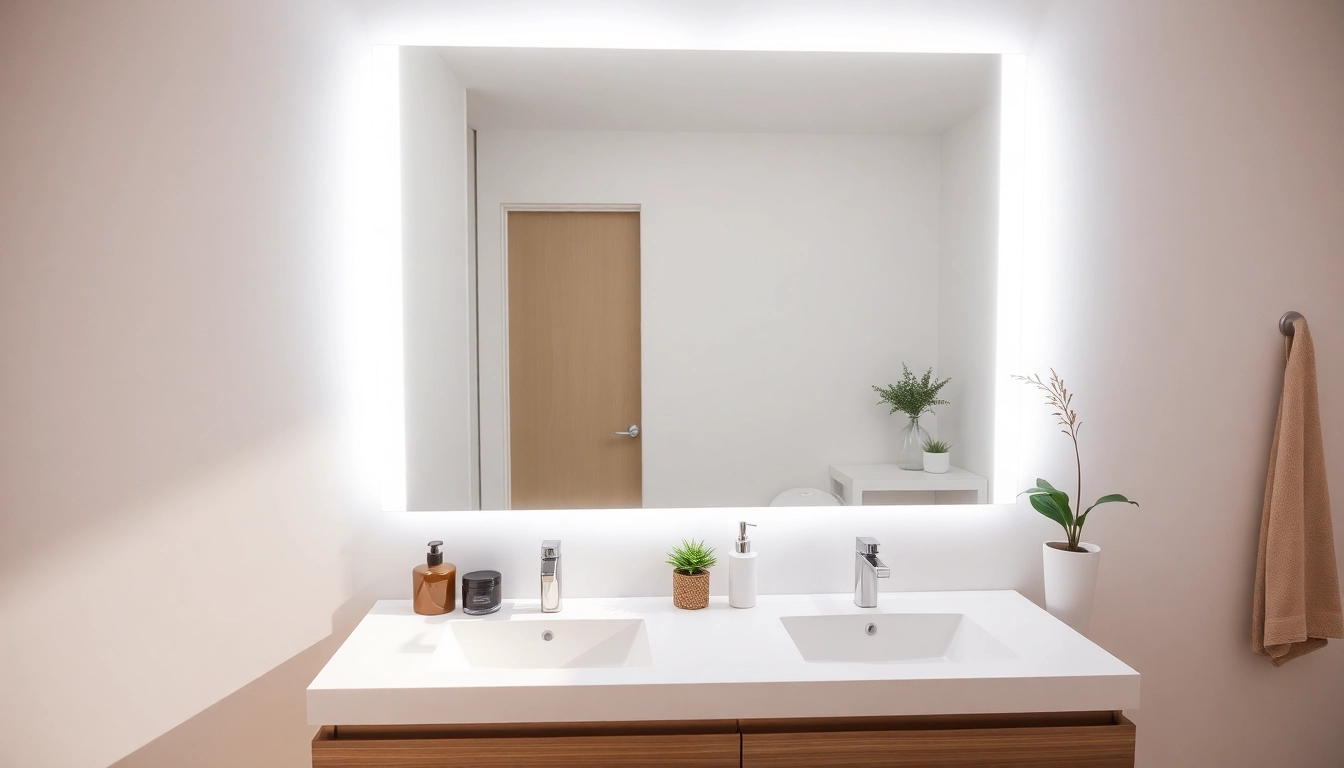
Enhance your space with a stylish mirror light mirror that brightens your bathroom beautifully.

Understanding Mirror Light Mirror Basics

What is a Mirror Light Mirror?

A mirror light mirror is an innovative fusion of aesthetics and functionality, combining reflective surfaces with integrated lighting features. These mirrors are designed to enhance not just the visual appeal of a space but also its practicality, particularly in environments like bathrooms where lighting is crucial. By providing adequate illumination while serving as a traditional mirror, mirror light mirrors create a sense of space and enhance the overall ambience of any bathroom. This elegance goes beyond mere reflection; it helps in daily grooming routines, elevating the user experience. They are also available in various shapes, sizes, and styles, suitable for diverse interior designs. To explore a range of options, check out a collection of mirror light mirrors that could enrich your bathroom’s atmosphere.

Types of Mirror Light Mirrors Available

With the market for mirror light mirrors expanding, several types are available to fit different styles and requirements. Here are some popular options:

  • Backlit Mirrors: These mirrors have LED lights installed behind the glass. This design creates a soft glow that illuminates the space without direct glare, lending a warm atmosphere ideal for relaxing bathrooms.
  • Front-lit Mirrors: Equipped with lights mounted on the front, these mirrors provide bright illumination directly onto the user. They are perfect for tasks that require precision, such as shaving or applying makeup.
  • Demister Mirrors: Incorporating a demisting feature in addition to lighting, these mirrors remain clear even in humid environments, making them especially useful in bathrooms where steam can obscure visibility.
  • Smart Mirrors: Advanced models come with integrated smart technology, allowing users to control lighting brightness, color temperatures, and even voice-activated functionalities.
  • Decorative Mirrors: These mirrors emphasize artistic frames or unique designs while incorporating lighting features, allowing them to function as both a mirror and a statement piece.

Benefits of Using Mirror Light Mirrors

Choosing mirror light mirrors offers numerous advantages, including:

  • Improved Lighting: They provide additional light sources tailored for specific tasks, making them ideal for bathrooms lacking natural light.
  • Space-Enhancing: Well-lit mirrors give the illusion of larger spaces, brightening up dim corners and making bathrooms feel more expansive.
  • Functional Aesthetics: They blend practicality with style, making daily grooming routines more enjoyable and efficient.
  • Energy Efficiency: Many models use LED technology, reducing energy costs and providing longer lifespans compared to traditional lighting solutions.
  • Moisture Resistance: Quality mirror light mirrors are designed to withstand humid environments without damage, making them perfect for bathroom settings.

Choosing the Perfect Mirror Light Mirror for Your Space

Factors to Consider When Selecting

When choosing a mirror light mirror, consider the following factors:

  • Room Size: Larger bathrooms may benefit from big backlit mirrors, while smaller spaces may require compact models to avoid overwhelm.
  • Lighting Needs: Assess the lighting intensity needed for your bathroom activities and select mirrors that offer adjustable brightness or various light temperatures.
  • Style and Decor: Mirrors should align with your bathroom’s overall aesthetic—opt for sleek, modern styles for contemporary spaces or ornate frames for more traditional designs.
  • Installation Type: Determine the best mounting option—wall-mounted, freestanding, or integrated into furniture, ensuring a practical setup.
  • Additional Features: Decide if features like Bluetooth connectivity, demisting functionalities, or touch controls are necessary for your daily use.

Optimal Placement and Usage Ideas

To maximize the impact of mirror light mirrors:

  • Position at Eye Level: The mirror should be installed at a height that aligns with the average eye level for ease of use.
  • Utilize Natural Light: If possible, position mirrors across from windows to reflect natural light, enhancing the overall illumination.
  • Layer Lighting: Combine the mirror light with other ambient or task lights to create a well-lit environment conducive to various activities.
  • Focus on Focal Points: Use mirrors to draw attention to specific areas of the bathroom, such as decorative tiles or artwork, enhancing the room’s style.
  • Switch Locations: If installing in a small space, consider movable options that allow repositioning based on need, providing versatility.

Matching Styles with Bathroom Decor

Matching your mirror light mirror with your bathroom’s decor is crucial for an integrated look. Here are some tips:

  • Coordinated Colors: Choose a mirror that complements the bathroom’s color palette—neutral tones work well with bolder colors, while similarly colored frames can unify your design.
  • Material Harmony: Synchronize textures and materials—glass and metal mirrors can look stunning with modern, sleek fixtures, while wooden frames may enhance rustic themes.
  • Frame Styles: Select mirrors with frames that harmonize with other bathroom elements, such as sconces, faucets, or cabinetry.
  • Consistent Aesthetics: Ensure that the design of the mirror reflects the bathroom’s overall theme, whether it’s farmhouse, minimalist, or vintage.
  • Accent Pieces: Use decorative accents like vases, towels, or artwork nearby that resonate with the mirror’s style to create a cohesive space.

Installation Tips for Mirror Light Mirrors

Tools Needed for Installation

Before beginning the installation of your mirror light mirror, gather the following tools:

  • Drill and Bits
  • Leveling Tool
  • Measuring Tape
  • Screwdriver (either flathead or Phillips as required)
  • Stud Finder
  • Safety Goggles
  • Wall Anchors (if necessary)

Step-by-step Installation Guide

Follow these steps to successfully install your mirror light mirror:

  1. Choose the Location: Identify the ideal location for the mirror, considering eye level and accessibility.
  2. Mark Measurements: Measure and mark where the center of the mirror will be placed, ensuring it’s level.
  3. Drill Pilot Holes: Use your drill to create small pilot holes to make it easier to install screws without splitting the wall material.
  4. Install Wall Anchors: If mounting to drywall without studs, insert the wall anchors into the pilot holes for added support.
  5. Secure the Mirror: Align the mirror with the screw holes and gently press it against the wall, ensuring it’s level before fully tightening.
  6. Hook Up Power: If your mirror requires an electrical connection, ensure it’s connected to a power source according to safety standards.
  7. Test Light Functions: Once installed, test the light functions to ensure everything works as expected before finalizing the installation.

Common Installation Mistakes to Avoid

To ensure a successful installation, be aware of these common pitfalls:

  • Not Checking for Studs: Always use a stud finder to ensure secure mounting to avoid the mirror falling.
  • Neglecting Electrical Safety: If electrical work is involved, ensure it’s done by a qualified professional to prevent hazards.
  • Ignoring Leveling: Failing to level the mirror can lead to an unappealing visual presentation and impact usability.
  • Forgetting the Power Source: Plan where the electrical outlet will be located, especially for mirrors that require power for lighting.
  • Using Inadequate Tools: Having the right tools makes the installation smoother and helps prevent damage to walls or the mirror.

Maintaining Your Mirror Light Mirror

Cleaning and Care Instructions

Regular maintenance of your mirror light mirror can preserve its appearance and functionality:

  • Use Gentle Cleaners: Opt for non-abrasive glass cleaners or a vinegar-water solution to avoid scratches on the surface.
  • Microfiber Cloths: Use a soft microfiber cloth to prevent lint and streaks when wiping down the mirror.
  • Avoid Harsh Chemicals: Steer clear of ammonia-based products that can damage the mirror’s coating over time.
  • Dust Regularly: Wipe down the mirror periodically to prevent dust buildup, which can affect lighting quality.
  • Inspect Lighting Components: Regularly check the integrated lighting modules for functionality and replace bulbs as necessary.

Addressing Common Issues

Despite careful maintenance, issues can arise with your mirror light mirror. Common problems include:

  • Dim Lighting: If the light appears dim, check for burnt-out bulbs or loose connections.
  • Fogging: Demister mirrors may malfunction; check the wiring or heating pad functionality.
  • Surface Scratches: For minor scratches, special polishing kits are available, but deep scratches may require replacement.
  • Electrical Issues: If lights flicker or don’t turn on, ensure wiring is intact and consult an electrician if necessary.
  • Loose Mounting: If the mirror becomes loose, ensure all screws and anchors are securely in place, re-tightening as needed.

When to Consider Repairs or Replacements

Recognizing when to repair or replace your mirror light mirror is crucial for maintaining its functionality:

  • Replacing Components: If individual components such as lights or control systems fail to work, replacements should be considered rather than buying a new mirror.
  • Significant Damage: Mirrors that suffer from extensive cracks or wear beyond surface scratches may warrant full replacement.
  • Changing Trends: If your bathroom decor changes significantly, you may consider upgrading your mirror to better fit the new style.
  • Efficiency Concerns: If the mirror’s lighting mechanisms do not perform well or become outdated, replacement can improve energy efficiency.
  • Safety Hazards: Always replace mirrors that pose potential hazards due to loose mounting, cracks, or damage, ensuring a safe environment.

Frequently Asked Questions About Mirror Light Mirrors

Are mirror light mirrors energy-efficient?

Yes, many mirror light mirrors use LED technology, which is designed to be energy-efficient and has a longer lifespan than traditional bulbs.

Can I install a mirror light mirror myself?

Yes, with the right tools and instructions, many can install a mirror light mirror themselves, though professional help is recommended for electrical connections.

What styles complement modern bathrooms?

Minimalist frames, sleek finishes, and geometric shapes are popular choices that enhance the contemporary design in modern bathrooms.

How do I fix a flickering mirror light mirror?

First, check the bulb connections and replace any burnt-out bulbs. If issues persist, consult a qualified electrician for wiring checks.

Are these mirrors safe in humid environments?

Quality mirror light mirrors are designed to resist humidity; ensure the model specifies moisture resistance for optimal performance in bathrooms.

Posted on

Best Shower Doors UK: Enhance Your Bathroom Style and Functionality

Stylish shower doors uk enhancing a contemporary bathroom aesthetic with bright lighting.

Understanding Shower Doors UK

Shower doors are essential fixtures in modern bathrooms, offering not only functionality but also a chance to enhance the overall aesthetic appeal of the space. Whether you’re remodeling your bathroom or simply upgrading your shower area, understanding the various aspects of shower doors uk is crucial. This comprehensive guide covers different types of shower doors, their benefits, selection tips, and insights into installation and maintenance.

Types of Shower Doors UK Available

Shower doors come in various styles and designs, catering to diverse tastes and space requirements. Here are the primary types available:

1. Bi-fold Shower Doors

Bi-fold doors are a great space-saving option. These doors fold in on themselves, allowing for a wide entryway, making them ideal for smaller bathrooms.

2. Sliding Shower Doors

Sliding doors operate on a track and glide smoothly, which makes them perfect for large shower spaces. They provide an uninterrupted view and are easy to use.

3. Hinged Shower Doors

Hinged shower doors open outward and are an excellent choice for larger bathrooms. They offer a classic look and can be installed in a variety of styles, including frameless and semi-frameless options.

4. Corner Shower Doors

Corner shower doors are designed to fit in a corner unit. This eliminates wasted space and is an excellent option for smaller bathrooms.

5. Frameless Shower Doors

Frameless doors provide a sleek, modern appearance with minimal metal framing. They create an illusion of space and are easily customizable.

Benefits of Shower Doors UK

Choosing the right shower doors brings various benefits to your bathroom, including:

1. Enhanced Aesthetics

The right shower doors can elevate the design of your bathroom, providing a polished look and adding a touch of elegance.

2. Improved Functionality

Quality shower doors effectively contain water, preventing leaks and keeping your bathroom safe and dry.

3. Easy Maintenance

With modern materials and designs, many shower doors are easier to clean, requiring less time and effort to maintain their appearance.

4. Increased Property Value

Updating your shower doors can enhance the overall value of your property, making it more attractive to potential buyers.

Choosing the Right Shower Doors UK for Your Space

Selecting the appropriate shower doors involves careful consideration of several factors:

1. Space Considerations

Measure your shower area accurately to determine which type of door will fit best, considering the space available for the door’s entry and exit.

2. Style Preferences

Choose doors that complement your overall bathroom design, whether you prefer a modern glass look or a more traditional framed style.

3. Budget

Your budget will play a significant role in your choice of shower doors. There are options available to suit various price ranges without compromising quality.

4. User Needs

Consider the needs of all household members. For instance, elderly individuals might benefit from wider openings or doors that are easier to operate.

Installation Process for Shower Doors UK

Preparation for Installation

Before starting the installation of your shower doors, ensure you have all the necessary tools and materials. If you’re installing frameless doors, confirm that your walls are plumb and level. Gather tools such as a drill, level, measuring tape, and safety gear.

Step-by-Step Installation Guide

The installation process generally follows this sequence:

  1. Measure the Shower Area: Accurate measurements will dictate the size of your shower doors.
  2. Install Wall Brackets: Secure the wall brackets depending on your chosen door type, ensuring they are straight and level.
  3. Fit the Door Panels: Align the door panels with the tracks or brackets and secure them in place.
  4. Apply Seals: Ensure that all edges are sealed properly to prevent leaks.
  5. Test the Doors: Open and close the doors to check that they operate smoothly.

Common Mistakes to Avoid

Avoid the following pitfalls to ensure a successful installation:

  • Not checking the wall for level could result in misaligned doors.
  • Ignoring the manufacturer’s instructions can lead to mistakes during installation.
  • Forgetting to seal edges properly can cause water leakage.

Maintenance Tips for Shower Doors UK

Cleaning Techniques for Best Results

To maintain the clarity and shine of your shower doors, use non-abrasive cleaners and a soft cloth or sponge. Regular cleaning prevents buildup of soap scum and hard water stains.

Preventing Water Damage and Mildew

To combat moisture issues, ensure proper ventilation in your bathroom. Consider using mildew-resistant seals and caulking to prevent water from escaping and causing damage.

When to Replace Your Shower Doors UK

If you notice cracks, persistent leaks, or severe discoloration, it may be time to replace your shower doors. Regular inspection can help you identify these issues before they escalate.

Style Inspirations with Shower Doors UK

Modern Designs to Consider

Explore contemporary styles such as minimalist frameless doors, patterned glass, and sleek curves. These designs not only enhance functionality but also set a trendy tone in the bathroom.

Combining Functionality and Aesthetics

Look for shower doors that balance beauty with usability. Custom options allow you to create a space that reflects your personality while meeting practical needs.

Popular Trends in Shower Doors UK

Some current trends include the use of frosted glass for privacy, bold colors, and innovative hinge designs that enhance accessibility and convenience.

FAQs about Shower Doors UK

What materials are available for shower doors UK?

Common materials include glass (tempered and laminated), acrylic, and various metals for frames. Each material offers unique benefits in terms of durability and design.

How can I stop my shower doors UK from leaking?

Ensure proper installation, apply high-quality seals, and regularly check for wear and tear. Additionally, use a squeegee after each use to minimize water accumulation.

Do I need professional help to install shower doors UK?

Professional installation is recommended for complex designs or if you’re not experienced. However, simpler models can often be installed by DIY enthusiasts with some tools.

What is the average cost of shower doors UK?

The cost can vary widely, typically ranging from £200 to £1000 or more, depending on materials, size, and design complexity. Consider your budget and desired style when making a selection.

How often should I clean shower doors UK?

For best results, clean your shower doors weekly to prevent buildup of soap scum and mildew, ensuring they stay clear and appealing.

Posted on

Enhance Your Bathroom with Stylish Sliding Shower Doors: A Complete Guide

Beautiful sliding shower doors elevating a modern bathroom with sleek design and style.

Introduction to Sliding Shower Doors

Shower doors are a critical element in any bathroom, offering both functionality and style. Among the various options available, sliding shower doors have gained immense popularity, thanks to their space-saving design and modern aesthetic. As bathrooms continue to evolve into serene retreats within our homes, the choice of shower doors becomes increasingly significant, contributing to both the overall ambiance and practical use of the space.

Understanding Sliding Shower Doors

Sliding shower doors operate on a simple yet efficient mechanism, allowing them to glide open and close horizontally. This design is particularly advantageous in smaller bathrooms where swinging doors could obstruct movement or require additional space. Sliding doors typically consist of two or more glass panels that slide on tracks mounted at the top and bottom, ensuring a seamless experience during entry and exit.

Benefits of Sliding Shower Doors

There are numerous advantages to choosing sliding shower doors over traditional options. Here are some key benefits:

  • Space Efficiency: Sliding doors require less space to operate, making them ideal for bathrooms with limited room.
  • Modern Aesthetics: These doors present a sleek, contemporary look that enhances the overall design of the bathroom.
  • Easy Access: The sliding mechanism allows for easy and swift access to the shower area, accommodating various mobility levels.
  • Customizable Styles: Available in various materials, finishes, and styles, sliding doors can be tailored to fit any bathroom décor.

Types of Sliding Shower Doors

Sliding shower doors come in several types, each designed to fit specific needs and preferences:

  • Single Sliding Doors: These consist of a single panel that slides to one side. They are simple and efficient for smaller shower areas.
  • Double Sliding Doors: Featuring two sliding panels, these doors allow for wider access and can enhance the appearance of more spacious interiors.
  • Frameless Sliding Doors: Modern and stylish, these doors create an open feel and are easier to clean due to the lack of frames, which can harbor dirt.
  • Framed Sliding Doors: These doors feature metal frames that provide support and stability, often available in various finish options.

Choosing the Right Sliding Shower Doors for Your Bathroom

When selecting sliding shower doors, several factors should be considered to ensure they meet your specific needs. From size to style and material, the choices can significantly influence the functionality and aesthetic of your bathroom.

Size and Layout Considerations

The size of your shower enclosure plays a crucial role in determining the type of sliding shower doors that will work best. Accurately measuring the space is essential before moving forward with any installation:

  • Measure Width and Height: Ensure you take precise measurements of the shower opening to prevent any fitting issues later.
  • Consider Accessibility: Think about who will be using the bathroom. If accessibility is a concern, wider doors may be more fitting.
  • Account for Wall Space: Ensure that there is enough wall space for the door to slide open without obstruction.

Frame Styles and Finishes

The frame style and finish of sliding shower doors can significantly influence the overall look of your bathroom. Consider these options:

  • Chrome: Popular for its modern appeal, chrome finishes are shiny and reflective, helping small spaces feel larger.
  • Brushed Nickel: Offering a warmer tone, brushed nickel can add elegance and sophistication to your bathroom décor.
  • Black Matte: This contemporary finish is becoming increasingly popular, providing a striking contrast against lighter tiles.

Glass Options and Their Features

The type of glass used in sliding shower doors is another vital consideration that affects both durability and appearance:

  • Clear Glass: Ideal for showcasing stylish tiles or fixtures, clear glass maximizes light and creates a sense of openness.
  • Frosted Glass: This option offers more privacy while still letting light in. It is a popular choice for shared bathrooms.
  • Laminated Glass: Enhanced with layers for additional safety, laminated glass minimizes the risk of shattering, making it a practical choice for family bathrooms.

Installation Process for Sliding Shower Doors

Installing sliding shower doors can be a straightforward process if approached methodically. While some homeowners might opt for professional installation, others may wish to tackle this project themselves.

Preparing Your Bathroom

Before diving into the installation, ensure your bathroom is ready:

  • Clear the Area: Remove any existing shower doors or curtains and clean the surrounding area.
  • Check Wall and Floor Condition: Ensure that the walls and floor are even and free from any damages that could affect installation.
  • Gather Tools: Assemble necessary tools such as a drill, level, screwdriver, and tape measure before you begin.

Step-by-Step Installation Guide

Here’s a simple guide to follow for installing sliding shower doors:

  1. Measure and Mark: Start by measuring the top and bottom mounting points on the wall. Mark where the tracks will be installed.
  2. Install the Top Track: Drill the top track into the wall, ensuring it is level before securing it completely.
  3. Attach the Bottom Track: Lay the bottom track along the shower base, ensuring it aligns with the top track.
  4. Hang the Doors: Attach the rollers to the doors. Lift the doors into the top track, ensuring they glide smoothly.
  5. Final Adjustments: Adjust the height of the doors and ensure they are aligned correctly before securing everything in place.

Common Mistakes to Avoid

While installing sliding shower doors, keep an eye out for these common pitfalls:

  • Inaccurate Measurements: Double-check measurements to prevent issues that can arise from miscalculations.
  • Neglecting Waterproofing: Ensure proper sealing around edges to prevent water leakage.
  • Wrong Tools: Using improper tools can lead to damages, so ensure you have the right ones before starting.

Maintenance and Care for Sliding Shower Doors

Maintaining your sliding shower doors is crucial not only for their longevity but also for the hygiene of your bathroom. Proper care can significantly reduce wear and tear, keeping your shower doors looking fresh and new.

Regular Cleaning Tips

Cleaning sliding shower doors doesn’t have to be a chore. Here are some practical tips:

  • Daily Rinsing: Rinse the doors with water after each use to remove soap residue and prevent buildup.
  • Use a Squeegee: A squeegee can help to remove water spots and minimize mildew growth.
  • Anti-Scale Cleaners: Employ anti-scale products regularly to keep glass clear and free of minerals.

Preventing Mold and Mildew

Mold and mildew thrive in humid environments, making bathrooms a prime target. To combat this, consider the following:

  • Ventilation: Ensure your bathroom is well-ventilated to reduce moisture levels, such as installing an exhaust fan.
  • Use of Mold Inhibitors: Spray mold-resistant solutions on the doors and surrounding tiles during cleaning.
  • Keep the Area Dry: Wipe down surfaces after use to prevent water accumulation.

When to Seek Professional Help

While many maintenance tasks can be done by homeowners, some situations may require professional intervention:

  • Heavy Scratches: If your sliding doors are scratched or damaged significantly, a professional can help restore or replace them.
  • Installation Issues: If the doors do not align properly or have difficulty sliding, seeking a professional can save time and effort.
  • Mold Problems: Persistent mold or mildew problems may indicate deeper issues that require expert assessment and remediation.

FAQs About Sliding Shower Doors

How to Measure for Sliding Shower Doors?

Measure the width and height of your shower opening. Subtract approximately 1/4 inch from each dimension for a proper fit.

Can I Install Sliding Shower Doors Myself?

Yes, with basic tools and careful measuring, you can successfully install sliding doors. Follow manufacturers’ instructions for best results.

What Maintenance Do Sliding Shower Doors Require?

Regular cleaning, removing soap scum, and ensuring proper ventilation are essential for maintaining the appearance and functionality of sliding shower doors.

Are Sliding Shower Doors Suitable for Small Bathrooms?

Yes, their sliding mechanism makes them ideal for small bathrooms as they do not require space to swing open, maximizing the usable area.

What Glass Thickness Should I Choose for Durability?

A thickness of at least 1/4 inch is recommended for durability in sliding shower doors, though 3/8 inch is even sturdier for higher-end installations.

Posted on

Navigate the Best Options for Auto Window Tint Near Me

Apply auto window tint near me efficiently with skilled technicians in a vibrant garage setting.

Understanding Auto Window Tint and Its Benefits

What is Auto Window Tint?

Auto window tint is a thin film made from various materials that is applied to the interior side of vehicle windows. This film comes in different shades and types, designed to reduce glare, control heat, and offer privacy. Typically made from polyester, window tinting films may also contain a layer of dye, metal, or ceramic that enhances their properties. The application of these films can transform a vehicle’s aesthetics while providing functional benefits, making them a popular choice among car owners.

The Advantages of Auto Window Tint Near Me

Choosing to install auto window tint near me offers a myriad of advantages. These benefits include:

  • UV Protection: Tinted windows block up to 99% of harmful ultraviolet rays, protecting passengers from skin damage and preserving the vehicle’s interior from fading.
  • Heat Reduction: Window tint helps diminish solar heat, keeping your car cooler in hot weather and decreasing the need for air conditioning, thereby enhancing fuel efficiency.
  • Glare Reduction: Tints significantly reduce sun glare, improving visibility and driving comfort.
  • Enhanced Privacy: Tinted windows can obscure the view into your vehicle, protecting your belongings and giving you peace of mind.
  • Aesthetic Appeal: A stylish tint can improve the overall appearance of your vehicle, giving it a more sophisticated look.

Common Misconceptions About Window Tinting

Despite the numerous benefits, several misconceptions about window tinting endure. These include:

  • It’s Illegal: Many believe that window tinting is illegal; however, most regions have regulations. It’s essential to check local laws to ensure compliance while still enjoying the benefits of tinting.
  • It’s Only for Appearance: While aesthetics play a role, the functional benefits, like heat and UV protection, are critical to the value tint adds to your vehicle.
  • It Will Bubble and Peel: Quality films installed by professionals do not bubble or peel when properly cared for. Ensuring off-brand products or improper installation leads to these issues.

How to Choose the Right Window Tint for Your Vehicle

Factors to Consider When Selecting Tint

Selecting the right window tint requires careful consideration of several factors:

  • Tint Darkness: Different states have regulations on how dark you can tint your windows. Research these laws before deciding.
  • Type of Tint: Choose between dyed, metalized, or ceramic tints based on your preferences for heat rejection, glare, and UV protection.
  • Quality and Warranty: Look for reputable brands that offer warranties, indicating confidence in the product’s longevity.

Understanding Different Tint Types

Understanding the various types of window tints can aid in making an informed decision:

  • Dyed Films: These are the most affordable and offer good glare reduction but less heat rejection compared to other types.
  • Metalized Films: Containing metal particles, these films provide better heat rejection and durability but may interfere with electronic signals.
  • Ceramic Films: Offering superior heat rejection and UV protection, ceramic films do not interfere with signals and have the highest quality but come at a premium cost.

Where to Find Reliable Tint Providers Near Me

Finding reputable providers for auto window tint near me requires research. Look for reviews, ask for recommendations, and check their portfolios. Reputable companies should also provide detailed consultations and be willing to explain the tinting process and answer any questions. This ensures a transparent service that can meet your specific needs.

Installation Process of Auto Window Tint

Preparing Your Vehicle for Tinting

Proper preparation is essential for achieving optimal results with window tint:

  • Clean Your Windows: Thoroughly cleaning the vehicle’s windows is crucial. Residue can cause bubbles and interfere with adhesion.
  • Remove Items: Ensure that all items such as sun visors and window stickers are removed from the respective windows to allow full access.
  • Inspect for Damage: Check your windows for any cracks or chips that need addressing before installation.

The Steps Involved in Professional Installation

Professional installation usually includes the following steps:

  1. Measuring: Professionals will measure the windows to determine the size of the tint needed.
  2. Cutting: The tint film is cut according to the specific shapes of your vehicle’s windows.
  3. Applying: Using a solution, the film is carefully applied to the interior side of the window.
  4. Smoothing: Technicians will use a squeegee to smooth out bubbles and ensure proper adhesion.
  5. Curing: Lastly, the tint needs time to cure. This time can vary based on the type of film and the environment.

DIY vs. Professional Tint Installation

When considering whether to install window tint yourself or seek professional help, weigh the pros and cons:

  • DIY: It can be cost-effective, but results can vary significantly based on skill level. Poorly installed tints can lead to bubbles or peeling.
  • Professional Installation: While it is more costly, professionals guarantee higher-quality results, ensuring that your investment in tint achieves the desired benefits.

Maintenance Tips for Auto Window Tint

How to Care for Your Window Tint

Maintaining window tint is crucial to prolonging its life. Here are some effective care tips:

  • Avoid Cleaning for a Week: After installation, wait at least a week before cleaning the windows to allow for proper curing.
  • Use Soft Cloths: Clean tinted windows with microfiber cloths to avoid scratching the film.
  • Gentle Cleaners: Opt for gentle cleaning solutions to avoid degrading the tint material.

Signs of Damage and When to Replace Tint

Be vigilant for warning signs that indicate a need for replacement:

  • Bubbles: Small bubbles can occur but may also stretch over time, indicating the need to remove and replace the film.
  • Peeling Edges: If the edges of the tint begin to peel, it can compromise its effectiveness and require replacement.
  • Discoloration: A faded or discolored film may no longer provide adequate UV protection and should be replaced.

Maximizing the Lifespan of Your Tint

To ensure that your window tint lasts as long as possible, follow these best practices:

  • Regular Cleanings: Routine gentle cleanings can help maintain the appearance and integrity of the tint.
  • Avoid Sharp Objects: Keep sharp objects away from tinted windows to prevent scratches or damage.
  • Park in Shade: Parking your vehicle in shaded areas or using sunshades can help reduce the degradation of the tint from direct sunlight.

Frequently Asked Questions About Auto Window Tint

Is window tinting legal in my area?

Window tinting laws vary by state. Check with local regulations to ensure compliance with tint darkness and type requirements.

How long does window tint last?

Quality window tint can last anywhere from 5 to 15 years, depending on the type of film used and how well it is maintained.

Can I tint my windows myself?

Yes, DIY tinting is possible but may lead to subpar results. For the best outcome, professional installation is recommended.

What’s the cost of window tinting?

Costs vary based on the type of film, number of windows, and local labor rates, typically ranging from $200 to $800.

What should I do if I see bubbles in my tint?

Small bubbles may resolve over time. If they persist, consult a professional for potential removal and reinstallation of the film.