
Posted on

Top 10 Innovative Vehicles Enhancing Your Daily Commute

Understanding Different Types of Vehicles

Vehicles are an integral part of modern life, serving various purposes across different terrains and environments. Understanding the classifications, differences, and applications of vehicles enables consumers, enthusiasts, and professionals to make informed decisions. This section delves into the various types of vehicles, their classifications, and the distinctions that matter.

Classification of Vehicles: Land, Water, and Air

Vehicles can be broadly classified based on the medium they operate in: land, water, or air. Each category encompasses a diverse range of vehicles designed for specific functions and environments.

Land vehicles, such as cars, trucks, motorcycles, and bicycles, are the most common. They are designed for road travel and can vary significantly in size and capability, from compact city cars to heavy-duty trucks.

Water vehicles include boats, ships, and submarines, which are designed to navigate oceans, rivers, and lakes. These vehicles can be used for leisure, transport, and even military purposes. For instance, cargo ships are essential for global trade, transporting goods across vast distances.

Air vehicles consist of airplanes, helicopters, and drones. They operate at different altitudes and serve various purposes, including commercial aviation, military operations, and recreational flying. The growth of the drone industry, for example, has revolutionized everything from photography to delivery services.

  • Land Vehicles: Cars, trucks, motorcycles, bicycles
  • Water Vehicles: Boats, ships, submarines
  • Air Vehicles: Airplanes, helicopters, drones

Combustion vs. Electric Vehicles

The debate between combustion and electric vehicles (EVs) has become a hot topic in the automotive industry, with significant implications for the environment, economy, and consumer choices. Combustion vehicles rely on fossil fuels, such as gasoline and diesel, which have been the traditional choice for decades. However, these vehicles contribute to air pollution and greenhouse gas emissions, posing challenges for climate change.

Electric vehicles, on the other hand, use batteries to power electric motors, offering a cleaner alternative with zero tailpipe emissions. With advancements in battery technology and infrastructure, EVs are becoming increasingly popular. According to the International Energy Agency (IEA), global electric vehicle sales reached 6.6 million in 2021, a remarkable increase from previous years.

Both types of vehicles have their pros and cons:

  • Combustion Vehicles:
    • Pros: Established infrastructure, longer range on a single fuel tank
    • Cons: Higher emissions, reliance on fossil fuels
  • Electric Vehicles:
    • Pros: Lower operating costs, government incentives, reduced emissions
    • Cons: Limited range, charging infrastructure still developing

Commercial vs. Personal Vehicles

Vehicles are also classified based on their intended use: commercial or personal. Commercial vehicles, such as delivery trucks, buses, and taxis, are designed to transport goods and passengers for a fee. They play a crucial role in the economy, facilitating trade and providing essential services. For instance, the logistics industry relies heavily on commercial vehicles to ensure timely delivery of products.

Personal vehicles, including cars and motorcycles, are primarily used for individual transportation. These vehicles cater to personal preferences, lifestyle needs, and convenience. The choice of a personal vehicle can be influenced by factors such as fuel efficiency, size, and safety features. According to Statista, the global number of passenger cars reached approximately 1.4 billion in 2021.

  • Commercial Vehicles: Delivery trucks, buses, taxis
  • Personal Vehicles: Cars, motorcycles

Key Components of Vehicle Mechanics

Understanding the mechanics of vehicles is essential for anyone looking to purchase, maintain, or appreciate automobiles. This section explores the key components that make vehicles function efficiently and safely.

Engine Types and Their Functions

The engine is the heart of a vehicle, converting fuel into mechanical energy. There are several types of engines, each with distinct functions and applications. The most common types include:

  • Internal Combustion Engine (ICE): Utilizes gasoline or diesel to produce power through combustion.
  • Electric Engine: Converts electrical energy from batteries into mechanical energy, powering electric vehicles.
  • Hybrid Engine: Combines an internal combustion engine with an electric motor to enhance fuel efficiency and reduce emissions.

Each engine type has its advantages. For example, while ICEs are powerful and widely available, electric engines offer a cleaner alternative with fewer maintenance needs.

Transmission Systems: Manual vs. Automatic

The transmission system is another critical component of vehicle mechanics. It transmits power from the engine to the wheels, allowing the vehicle to move. There are two main types of transmission systems: manual and automatic.

Manual transmissions require drivers to shift gears manually, providing greater control and often leading to better fuel efficiency. However, they may be challenging for novice drivers or in stop-and-go traffic.

Automatic transmissions shift gears on their own, offering a more convenient driving experience. They are increasingly popular, especially in urban settings where traffic congestion is common. According to a 2022 report by the Automotive News, over 90% of new vehicles sold in the U.S. are equipped with automatic transmissions.

  • Manual Transmission: Greater control, better fuel efficiency, requires skill
  • Automatic Transmission: Easier to drive, popular in urban areas, less control over gear selection

Understanding Vehicle Suspension and Steering

The suspension system and steering mechanism play vital roles in vehicle handling and comfort. The suspension system absorbs shocks from the road, ensuring a smooth ride and maintaining tire contact with the ground. Key components include springs, shock absorbers, and struts.

Steering systems allow drivers to control the direction of the vehicle. Most modern vehicles use power steering, which reduces the effort needed to steer. There are two main types of steering systems:

  • Rack and Pinion: Common in most cars, providing direct control and responsiveness.
  • Recirculating Ball: Often found in trucks and SUVs, offering increased strength but less precision.

Understanding these components can help vehicle owners appreciate their importance in overall performance and safety.

Vehicle Safety Standards and Regulations

Vehicle safety is a paramount concern for manufacturers, consumers, and regulators alike. Various safety standards and regulations exist globally to ensure vehicles meet minimum safety requirements. This section explores these standards, the importance of crash testing, and emerging technologies that enhance vehicle safety.

Global Safety Standards for Vehicles

Global safety standards for vehicles are established by organizations such as the National Highway Traffic Safety Administration (NHTSA) in the United States and the European New Car Assessment Programme (Euro NCAP) in Europe. These organizations develop rigorous testing protocols to assess vehicle safety.

For instance, Euro NCAP conducts crash tests that evaluate how well vehicles protect occupants in various collision scenarios. Vehicles are rated on a scale, with higher ratings indicating better safety performance.

In addition to crash tests, safety standards also encompass requirements for features such as seat belts, airbags, and electronic stability control. Compliance with these standards is crucial for manufacturers, affecting both marketability and liability.

  • NHTSA: Regulates vehicle safety in the U.S., sets crash test protocols.
  • Euro NCAP: Evaluates and rates vehicle safety in Europe.

Importance of Crash Testing and Ratings

Crash testing is vital in assessing a vehicle’s safety, providing consumers with essential information when making purchasing decisions. Ratings from organizations such as the NHTSA and Euro NCAP help buyers compare the safety performance of different models.

For example, a 2023 study found that vehicles with five-star ratings in crash tests are 70% more likely to protect occupants in severe collisions. This statistic highlights the importance of selecting a vehicle with high safety ratings.

Moreover, crash testing has driven advancements in automotive safety technology, leading to the development of features such as automatic emergency braking, lane-keeping assist, and adaptive cruise control.

Emerging Technologies in Vehicle Safety

As technology evolves, so do the tools and systems designed to enhance vehicle safety. Emerging technologies are reshaping how vehicles are built and operated, leading to significant improvements in safety. Some notable advancements include:

  • Advanced Driver Assistance Systems (ADAS): These systems assist drivers with features like collision avoidance, blind-spot monitoring, and adaptive headlights.
  • Vehicle-to-Everything (V2X) Communication: This technology allows vehicles to communicate with each other and infrastructure, enhancing situational awareness and reducing accidents.
  • Autonomous Driving: Self-driving technology aims to eliminate human error, which is responsible for over 90% of accidents according to the NHTSA.

These innovations represent a shift towards smarter, safer vehicles, potentially reducing traffic fatalities and injuries significantly in the future.

Maintenance and Care for Vehicles

Proper maintenance is crucial for ensuring a vehicle’s longevity, performance, and safety. This section discusses the importance of routine maintenance, common vehicle issues, and the role of insurance and warranties.

Routine Maintenance: Importance and Best Practices

Regular maintenance is essential for keeping vehicles in optimal condition. Neglecting maintenance can lead to costly repairs and safety issues. Key maintenance tasks include:

  • Oil Changes: Regular oil changes prevent engine wear and ensure smooth operation. It’s recommended to change the oil every 5,000 to 7,500 miles, depending on the vehicle and oil type.
  • Tire Maintenance: Regularly check tire pressure and tread depth. Rotate tires every 5,000 miles to ensure even wear.
  • Brake Inspections: Brake pads and rotors should be inspected regularly, typically every 20,000 miles.
  • Fluid Checks: Brake fluid, coolant, and transmission fluid levels should be monitored and topped off as needed.

Establishing a maintenance schedule can help vehicle owners stay on track and avoid unexpected breakdowns.

Common Vehicle Issues and Troubleshooting Tips

Vehicle owners often encounter common issues that can be easily diagnosed and resolved. Here are some frequent problems and troubleshooting tips:

  • Engine Won’t Start: Check the battery and connections. A dead battery is often the culprit.
  • Overheating: Inspect coolant levels and look for leaks. If the engine is overheating, it may be due to a faulty thermostat.
  • Brakes Squeaking: This could indicate worn brake pads. Check the pads and consider replacing them if necessary.
  • Warning Lights: Pay attention to dashboard warning lights. Refer to the owner’s manual to understand their meanings and take appropriate action.

Being proactive about troubleshooting can save time and money while ensuring safety on the road.

Understanding Vehicle Insurance and Warranties

Vehicle insurance and warranties are essential components of vehicle ownership. Insurance protects against financial loss in the event of an accident, theft, or damage. Understanding the different types of coverage, such as liability, collision, and comprehensive, is crucial for selecting the right policy.

Warranties, on the other hand, cover repairs and replacements for specific components within a set timeframe or mileage. Familiarizing oneself with warranty terms can help vehicle owners understand what is covered and when to seek service.

  • Insurance Types:
    • Liability Insurance: Covers damages to others in an accident.
    • Collision Insurance: Covers damage to your vehicle in an accident.
    • Comprehensive Insurance: Covers non-collision-related incidents, such as theft or weather damage.
  • Warranties:
    • Manufacturer’s Warranty: Covers defects in materials and workmanship.
    • Extended Warranty: Additional coverage that can be purchased for added peace of mind.

The Future of Vehicles: Trends and Innovations

The automotive industry is undergoing significant transformation, driven by technological advancements, consumer demands, and environmental considerations. This section explores the future trends and innovations shaping the vehicle landscape.

Electric and Autonomous Vehicle Developments

The shift towards electric and autonomous vehicles is one of the most significant trends in the automotive industry. Governments worldwide are implementing policies to promote electric vehicle adoption, such as tax incentives and infrastructure investments. For instance, California has set a target for all new passenger vehicles sold to be zero-emission by 2035.

Autonomous vehicles (AVs) are also gaining traction, with companies like Waymo and Tesla leading the charge in developing self-driving technology. According to a report from the McKinsey Global Institute, AVs could reduce traffic accidents by up to 90%, drastically improving road safety.

  • Electric Vehicles: Growing adoption, government incentives, charging infrastructure expansion
  • Autonomous Vehicles: Significant advancements, potential for increased safety, and reduced congestion

Impact of Smart Technology on Vehicle Functionality

Smart technology is revolutionizing vehicle functionality, enhancing the driving experience and safety. Features such as connectivity, infotainment systems, and telematics are becoming standard in many new vehicles.

For example, vehicles equipped with connected technology can share real-time data with drivers, allowing for features like navigation updates, vehicle diagnostics, and remote start capabilities. According to a study by Deloitte, 70% of consumers express interest in smart vehicle features, indicating a demand for innovation in this area.

Furthermore, technologies such as adaptive cruise control, lane departure warning systems, and parking assist are enhancing driver assistance, making vehicles safer and easier to operate.

Environmental Considerations and Sustainable Practices

As environmental concerns continue to rise, the automotive industry is increasingly focusing on sustainable practices. Manufacturers are exploring eco-friendly materials, reducing emissions throughout the production process, and implementing recycling programs.

In addition, consumers are becoming more conscious of their environmental impact, leading to a surge in demand for fuel-efficient and electric vehicles. According to the IEA, electric vehicles could account for 30% of global car sales by 2030 if current trends continue.

  • Sustainable Manufacturing: Use of eco-friendly materials and processes
  • Consumer Demand: Growing interest in fuel-efficient and electric vehicles
  • Recycling Initiatives: Programs aimed at recycling vehicle components and reducing waste
Posted on

Mastering the RR99: The Essential Guide for Truck Professionals in 2026

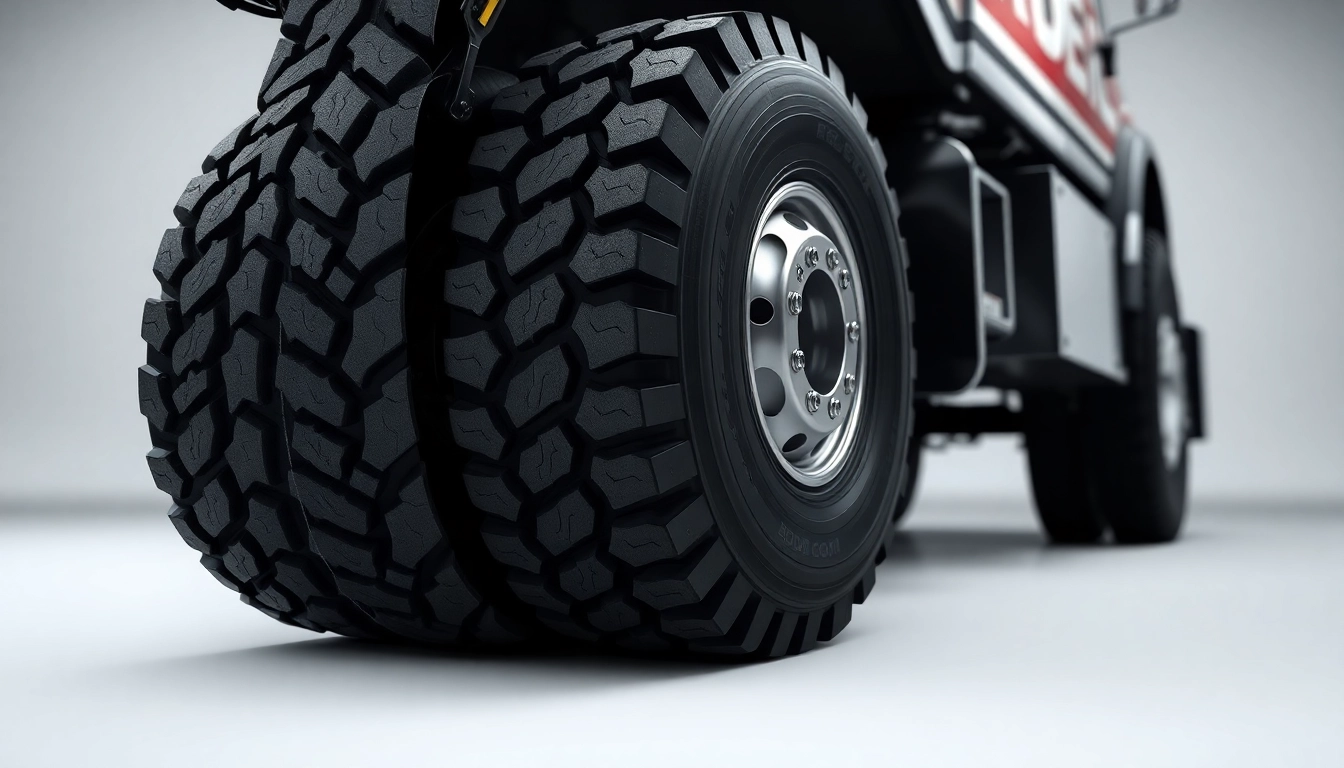
RR99 all-position truck tire featuring durable tread design in a professional setting

Understanding the RR99 Tire: Features and Benefits

The RR99 tire by Double Coin is a remarkable advancement in the commercial truck tire market, designed to meet the demanding needs of mixed-service applications. With its robust construction and innovative tread design, the RR99 effectively balances performance across both on-road and off-road conditions. In this article, we will explore the essential features and benefits of the RR99 tire, making it an optimal choice for truck operators in various industries. When considering tire options, RR99 stands out for its reliability and versatility.

1. Overview of the RR99’s Design and Construction

The RR99 features a strong all-position tread pattern specifically engineered for mixed-service use. This design includes large open grooves that provide superior traction and stability, essential for navigating diverse terrains. Made from a specialized rubber compound, the RR99 is designed to resist cuts, chips, and tears, increasing its durability in harsh operating conditions. Additionally, it boasts advanced engineering that allows for a maximum load capacity of 10,000 lbs, making it suitable for heavy-duty applications.

2. Key Advantages of the RR99 for Mixed Service Use

The RR99 tire is particularly advantageous for businesses that operate in both urban and rural settings. Its all-position applicability allows it to be utilized across multiple vehicle types, from delivery trucks to construction vehicles. This tire excels in wet and dry conditions, offering excellent steering response and braking performance. Furthermore, the RR99’s traction-enhancing tread design reduces slippage, promoting safety and efficiency in mixed-service environments.

3. Comparison with Competitor Tires

When comparing the RR99 to other commercial tires in the market, its unique features and performance metrics place it ahead of the competition. For instance, competing models often lack the same level of cut and chip resistance or have less optimal tread designs that do not offer the same versatile performance. Many operators report increased uptime and lower costs per mile when using the RR99 compared to other all-position tires in similar categories.

Optimal Applications for the RR99

The versatility of the RR99 tire extends its use beyond standard highway applications. Understanding where and how to effectively utilize this tire can significantly enhance operational efficiency.

1. On-Road vs. Off-Road Performance

The RR99 is specifically designed for dual performance on both on-road and off-road situations. Its substantial tread depth allows for superior grip on unpaved surfaces, while its optimized design ensures smooth handling on highways. Operators can trust the RR99 to deliver reliable performance whether navigating busy city streets or rough construction sites, thus reducing the need for multiple tire types.

2. Industry-Specific Uses for the RR99

Different industries benefit uniquely from the RR99 tire. For example, in the construction sector, its durability against rocks and debris makes it an ideal choice for mixed-service trucks. In logistics, its road adaptability allows for efficient deliveries across varied routes. Furthermore, the tire’s performance in adverse weather conditions makes it suitable for industries that see a wide range of climate challenges.

3. Case Studies of Successful RR99 Integration

Several case studies highlight the successful integration of the RR99 tire into business operations. For instance, a regional logistics company reported a 15% decrease in tire-related downtime after switching to the RR99. Additionally, a construction firm noted that the enhanced durability of the RR99 resulted in reduced tire replacements, leading to a notable saving in costs over the project duration.

Maintenance and Care for Longevity

Proper maintenance of the RR99 tire is crucial for maximizing its lifespan and ensuring optimal performance throughout its service. With some basic care, users can significantly extend the usability of the RR99 in diverse environments.

1. Tire Maintenance Best Practices

Regular inspections and maintenance are fundamental. This includes checking tire pressure, which should be done at least once a month or before long trips. Keeping the tires properly inflated not only enhances performance but also improves fuel efficiency. Additionally, maintaining proper alignment and rotation can prevent uneven wear, ultimately extending the tire life.

2. How to Inspect Your RR99 Tires

Inspecting RR99 tires should include checking for visible wear patterns, cuts, or embedded objects. Look for any bulges or deformities in the tire sidewalls, which could indicate internal damage. Regular tread depth checks can also help determine if the tires need to be replaced, ensuring vehicles are always equipped with optimal performance tires.

3. Addressing Common Issues with Truck Tires

Truck tires are susceptible to various issues, from punctures to uneven wear. Addressing these problems early can prevent costly replacements. For instance, if a tire is losing pressure, drivers should locate the source of the leak and either repair or replace it immediately. Additionally, ensuring that the load is evenly distributed across all tires can mitigate issues of uneven wear and prolong tire life.

Future Innovations in Truck Tire Technology

The trucking industry continues to evolve, with new technologies emerging to enhance tire performance further. Staying informed about these innovations can help businesses remain competitive.

1. Emerging Trends for Trucking Tires in 2026

As we look toward 2026, advancements in tire materials and manufacturing techniques are anticipated. The trend toward lighter, stronger materials will likely result in tires that offer improved fuel efficiency without sacrificing performance. Moreover, smart tire technology—integrated sensors that monitor tire health in real-time—will become more prevalent, allowing for proactive maintenance and improved safety.

2. How Sustainability Influences Tire Manufacturing

Sustainability is increasingly influencing how tires are manufactured, with companies exploring eco-friendly materials and production processes. The shift toward recycling old tires and the development of more sustainable rubber compounds are trends expected to gain momentum, reducing the environmental impact of tire manufacturing.

3. Predictions for the Future of the RR99 Series

With the evolving landscape of tire technology, the RR99 series is expected to adopt new innovations that focus on enhanced durability and performance. Upgrades in tread design and the use of advanced rubber compounds will continue to solidify the RR99 as a leader in mixed-service tire applications.

Buying Considerations and Where to Purchase

When purchasing the RR99 tire, several factors should be considered to ensure you are making the best choice for your operational needs.

1. Evaluating Price vs. Performance

While cost is an essential factor in purchasing tires, evaluating the performance offered by the RR99 can significantly impact operational efficiency. Investing in high-quality tires like the RR99 can reduce overall costs by minimizing downtime and tire replacements in the long run.

2. Top Retailers for the RR99 Tire

Many reputable retailers offer the RR99, including specialized tire dealers and online marketplaces. It’s advisable to compare prices and check for customer reviews to find the best deals and service options. Additionally, contacting local tire professionals for advice can help ensure that you are purchasing from a reliable source.

3. Understanding Warranty and Return Policies

Before finalizing a tire purchase, understanding the warranty and return policies is critical. For more information, bạch thủ lô offers valuable insights. Most reputable manufacturers, including Double Coin, provide comprehensive warranties that cover defects and premature wear. Knowing these details can provide peace of mind and safeguard your investment.

Posted on

Navigate the Best Options for Auto Window Tint Near Me

Apply auto window tint near me efficiently with skilled technicians in a vibrant garage setting.

Understanding Auto Window Tint and Its Benefits

What is Auto Window Tint?

Auto window tint is a thin film made from various materials that is applied to the interior side of vehicle windows. This film comes in different shades and types, designed to reduce glare, control heat, and offer privacy. Typically made from polyester, window tinting films may also contain a layer of dye, metal, or ceramic that enhances their properties. The application of these films can transform a vehicle’s aesthetics while providing functional benefits, making them a popular choice among car owners.

The Advantages of Auto Window Tint Near Me

Choosing to install auto window tint near me offers a myriad of advantages. These benefits include:

  • UV Protection: Tinted windows block up to 99% of harmful ultraviolet rays, protecting passengers from skin damage and preserving the vehicle’s interior from fading.
  • Heat Reduction: Window tint helps diminish solar heat, keeping your car cooler in hot weather and decreasing the need for air conditioning, thereby enhancing fuel efficiency.
  • Glare Reduction: Tints significantly reduce sun glare, improving visibility and driving comfort.
  • Enhanced Privacy: Tinted windows can obscure the view into your vehicle, protecting your belongings and giving you peace of mind.
  • Aesthetic Appeal: A stylish tint can improve the overall appearance of your vehicle, giving it a more sophisticated look.

Common Misconceptions About Window Tinting

Despite the numerous benefits, several misconceptions about window tinting endure. These include:

  • It’s Illegal: Many believe that window tinting is illegal; however, most regions have regulations. It’s essential to check local laws to ensure compliance while still enjoying the benefits of tinting.
  • It’s Only for Appearance: While aesthetics play a role, the functional benefits, like heat and UV protection, are critical to the value tint adds to your vehicle.
  • It Will Bubble and Peel: Quality films installed by professionals do not bubble or peel when properly cared for. Ensuring off-brand products or improper installation leads to these issues.

How to Choose the Right Window Tint for Your Vehicle

Factors to Consider When Selecting Tint

Selecting the right window tint requires careful consideration of several factors:

  • Tint Darkness: Different states have regulations on how dark you can tint your windows. Research these laws before deciding.
  • Type of Tint: Choose between dyed, metalized, or ceramic tints based on your preferences for heat rejection, glare, and UV protection.
  • Quality and Warranty: Look for reputable brands that offer warranties, indicating confidence in the product’s longevity.

Understanding Different Tint Types

Understanding the various types of window tints can aid in making an informed decision:

  • Dyed Films: These are the most affordable and offer good glare reduction but less heat rejection compared to other types.
  • Metalized Films: Containing metal particles, these films provide better heat rejection and durability but may interfere with electronic signals.
  • Ceramic Films: Offering superior heat rejection and UV protection, ceramic films do not interfere with signals and have the highest quality but come at a premium cost.

Where to Find Reliable Tint Providers Near Me

Finding reputable providers for auto window tint near me requires research. Look for reviews, ask for recommendations, and check their portfolios. Reputable companies should also provide detailed consultations and be willing to explain the tinting process and answer any questions. This ensures a transparent service that can meet your specific needs.

Installation Process of Auto Window Tint

Preparing Your Vehicle for Tinting

Proper preparation is essential for achieving optimal results with window tint:

  • Clean Your Windows: Thoroughly cleaning the vehicle’s windows is crucial. Residue can cause bubbles and interfere with adhesion.
  • Remove Items: Ensure that all items such as sun visors and window stickers are removed from the respective windows to allow full access.
  • Inspect for Damage: Check your windows for any cracks or chips that need addressing before installation.

The Steps Involved in Professional Installation

Professional installation usually includes the following steps:

  1. Measuring: Professionals will measure the windows to determine the size of the tint needed.
  2. Cutting: The tint film is cut according to the specific shapes of your vehicle’s windows.
  3. Applying: Using a solution, the film is carefully applied to the interior side of the window.
  4. Smoothing: Technicians will use a squeegee to smooth out bubbles and ensure proper adhesion.
  5. Curing: Lastly, the tint needs time to cure. This time can vary based on the type of film and the environment.

DIY vs. Professional Tint Installation

When considering whether to install window tint yourself or seek professional help, weigh the pros and cons:

  • DIY: It can be cost-effective, but results can vary significantly based on skill level. Poorly installed tints can lead to bubbles or peeling.
  • Professional Installation: While it is more costly, professionals guarantee higher-quality results, ensuring that your investment in tint achieves the desired benefits.

Maintenance Tips for Auto Window Tint

How to Care for Your Window Tint

Maintaining window tint is crucial to prolonging its life. Here are some effective care tips:

  • Avoid Cleaning for a Week: After installation, wait at least a week before cleaning the windows to allow for proper curing.
  • Use Soft Cloths: Clean tinted windows with microfiber cloths to avoid scratching the film.
  • Gentle Cleaners: Opt for gentle cleaning solutions to avoid degrading the tint material.

Signs of Damage and When to Replace Tint

Be vigilant for warning signs that indicate a need for replacement:

  • Bubbles: Small bubbles can occur but may also stretch over time, indicating the need to remove and replace the film.
  • Peeling Edges: If the edges of the tint begin to peel, it can compromise its effectiveness and require replacement.
  • Discoloration: A faded or discolored film may no longer provide adequate UV protection and should be replaced.

Maximizing the Lifespan of Your Tint

To ensure that your window tint lasts as long as possible, follow these best practices:

  • Regular Cleanings: Routine gentle cleanings can help maintain the appearance and integrity of the tint.
  • Avoid Sharp Objects: Keep sharp objects away from tinted windows to prevent scratches or damage.
  • Park in Shade: Parking your vehicle in shaded areas or using sunshades can help reduce the degradation of the tint from direct sunlight.

Frequently Asked Questions About Auto Window Tint

Is window tinting legal in my area?

Window tinting laws vary by state. Check with local regulations to ensure compliance with tint darkness and type requirements.

How long does window tint last?

Quality window tint can last anywhere from 5 to 15 years, depending on the type of film used and how well it is maintained.

Can I tint my windows myself?

Yes, DIY tinting is possible but may lead to subpar results. For the best outcome, professional installation is recommended.

What’s the cost of window tinting?

Costs vary based on the type of film, number of windows, and local labor rates, typically ranging from $200 to $800.

What should I do if I see bubbles in my tint?

Small bubbles may resolve over time. If they persist, consult a professional for potential removal and reinstallation of the film.