
Posted on

Enhancing Home Ambiance with the led a19 Bulb: A Comprehensive Guide

Illuminate your space with a led a19 bulb glowing warmly in a cozy modern bedroom.

Introduction to led a19 Lighting

Lighting plays a crucial role in shaping the ambiance and functionality of our living spaces. Among the various types of light bulbs available, the led a19 bulb has gained substantial popularity due to its versatility and efficiency. This article delves into what led a19 bulbs are, their applications, and why they are becoming a preferred choice over traditional lighting solutions.

What is a led a19 Bulb?

The led a19 bulb is a type of LED (Light Emitting Diode) bulb characterized by its A19 shape and size, specifically designed to replace traditional incandescent bulbs. The “A” stands for “Arbitrary” which refers to its shape, while “19” indicates a diameter of 2.375 inches (or 60mm). These bulbs typically fit standard light fixtures and are designed to operate efficiently while emitting bright light suitable for various applications.

Common Uses for led a19 Bulbs

led a19 bulbs are incredibly versatile and can be used in numerous settings. Common applications include:

  • Living rooms: providing general lighting or accentuating specific areas.
  • Bedrooms: ensuring a cozy atmosphere.
  • Kitchens: offering bright, clear visibility for cooking.
  • Offices: promoting productivity with adequate lighting.
  • Outdoor fixtures: suitable for sheltered areas to illuminate patios or walkways.

Their extensive use underscores their utility and adaptability in residential and commercial spaces alike.

Benefits of Choosing led a19 Over Traditional Bulbs

When considering lighting options, choosing led a19 bulbs over traditional incandescent or CFL bulbs offers several advantages:

  • Energy Efficiency: led a19 bulbs consume significantly less electricity, leading to lower energy bills.
  • Longevity: with a lifespan of 15,000 to 25,000 hours, led a19 bulbs last much longer than traditional bulbs, reducing replacement frequency.
  • Environmentally Friendly: they are made without harmful materials and are fully recyclable, contributing to a reduced carbon footprint.
  • Variety in Color Temperature: available in a range of color temperatures, they can create various moods and atmospheres.

Energy Efficiency of led a19

Understanding Energy Consumption

Energy consumption is a critical factor in lighting efficiency. The led a19 bulb uses approximately 7 to 10 watts to produce the same amount of light (measured in lumens) as a traditional 60-watt incandescent bulb. This remarkable reduction in wattage translates to significant energy savings over time, benefiting both your wallet and the environment.

Comparing led a19 to Incandescent Bulbs

When comparing the energy consumption of led a19 bulbs with that of traditional incandescent bulbs, the differences are stark:

  • Output: A led a19 bulb can produce around 800 lumens, while an incandescent bulb of the same brightness consumes three times more energy.
  • Heat Emission: Incandescent bulbs convert much of their energy into heat, while led a19 bulbs remain cool to the touch, enhancing safety and efficiency.
  • Voltage Dependence: led a19 bulbs operate on lower voltage, making them a robust choice for various fixture types.

Long-Term Savings with led a19

The financial benefits of switching to led a19 bulbs extend beyond immediate energy savings. By replacing traditional bulbs with led a19 bulbs, homeowners can expect to save hundreds of dollars over the lifespan of the bulbs. Calculations show that if used for an average of three hours per day, a single led a19 bulb can save about $80 on energy costs compared to an incandescent bulb. Over a home with numerous light fixtures, these savings can quickly add up!

Installation and Usage of led a19 Bulbs

How to Install a led a19 Bulb

Installing a led a19 bulb is straightforward and can typically be done without any special tools:

  1. Ensure the fixture is turned off and, if applicable, allow any previously used bulbs to cool.
  2. Remove the old bulb by turning it counterclockwise until it comes loose.
  3. Insert the led a19 bulb into the socket and turn it clockwise until secured.
  4. Restore power to the fixture and test the new light source.

Compatible Fixtures for led a19 Bulbs

led a19 bulbs are designed to fit in standard light sockets, making them compatible with a variety of fixtures including:

  • Table lamps and floor lamps
  • Ceiling fixtures and chandeliers
  • Wall sconces
  • Recessed lighting
  • Track lighting systems

Before installation, always check the fixture’s specifications to ensure compatibility with led a19 bulbs.

Best Practices for Using led a19

To maximize the performance and longevity of led a19 bulbs, consider the following best practices:

  • Turn fixtures off when not in use to extend bulb life.
  • Avoid frequent on/off switching, as this can affect the lifespan of certain LED models.
  • Employ dimmable fixtures where possible, choosing compatible dimmable led a19 bulbs to control light levels elegantly.
  • Keep bulbs clean to maintain brightness and ensure efficient operation.

Choosing the Right led a19 for Your Home

Factors to Consider When Selecting led a19 Bulbs

Selecting the right led a19 bulb can significantly impact your lighting experience. Here are key factors to keep in mind:

  • Wattage: Choose the wattage that provides the desired luminosity while ensuring energy efficiency.
  • Color Temperature: Understanding the color temperature can help you match the bulb with the mood of the room.
  • Shape and Style: Consider the decorative elements of your space to select bulbs that complement your existing decor.
  • Lifespan and Warranty: Opt for bulbs with longer lifespans and reliable warranties for peace of mind.

Available Styles and Designs of led a19

led a19 bulbs come in various styles, ensuring that there is an option for every preference. Choices include:

  • Classic White: Emulating the familiar warm glow of incandescent lighting.
  • Daylight: Providing a bright, crisp light that mimics natural daylight, perfect for task-oriented areas.
  • Decorative Styles: Such as vintage Edison styles that add a decorative touch while maintaining energy efficiency.
  • Dimmable Options: Allowing for adjustable brightness levels suited for different activities and moods.

Understanding Color Temperature in led a19 Bulbs

Color temperature is a vital factor that influences the atmosphere of any room. For led a19 bulbs, color temperatures are typically measured in Kelvin (K). The common ranges include:

  • Soft White (2700K): Creates a warm, cozy ambiance, ideal for bedrooms or living spaces.
  • Bright White (3000K): Offers a neutral light, suitable for kitchens and bathrooms.
  • Daylight (5000K-6000K): Provides a vibrant, clear light—alluding to natural daylight, great for workspaces.

Selecting the appropriate color temperature is essential for enhancing the intended activity within each room.

FAQs about led a19 Bulbs

How long do led a19 Bulbs last?

led a19 bulbs typically last between 15,000 to 25,000 hours, significantly longer than traditional incandescent bulbs, which last about 1,000 hours.

Can I use led a19 Bulbs with dimmer switches?

Yes, you can use dimmable led a19 bulbs with compatible dimmer switches, providing adjustable brightness levels while maintaining energy efficiency.

Are led a19 Bulbs suitable for outdoor use?

led a19 bulbs can be used outdoors but should be installed in fixtures that protect them from water and harsh weather conditions.

What is the difference between soft white and daylight led a19 Bulbs?

Soft white led a19 bulbs emit a warm light (2700K), great for cozy spaces, while daylight led a19 bulbs (5000K-6000K) offer a bright light mimicking natural daylight, ideal for task-oriented areas.

How do I recycle led a19 Bulbs?

led a19 bulbs can be recycled. Check local recycling programs, as many have designated areas for proper disposal of electronic waste.
Posted on

Expert House Extension Construction Tips for 2026: Enhance Your Home Value

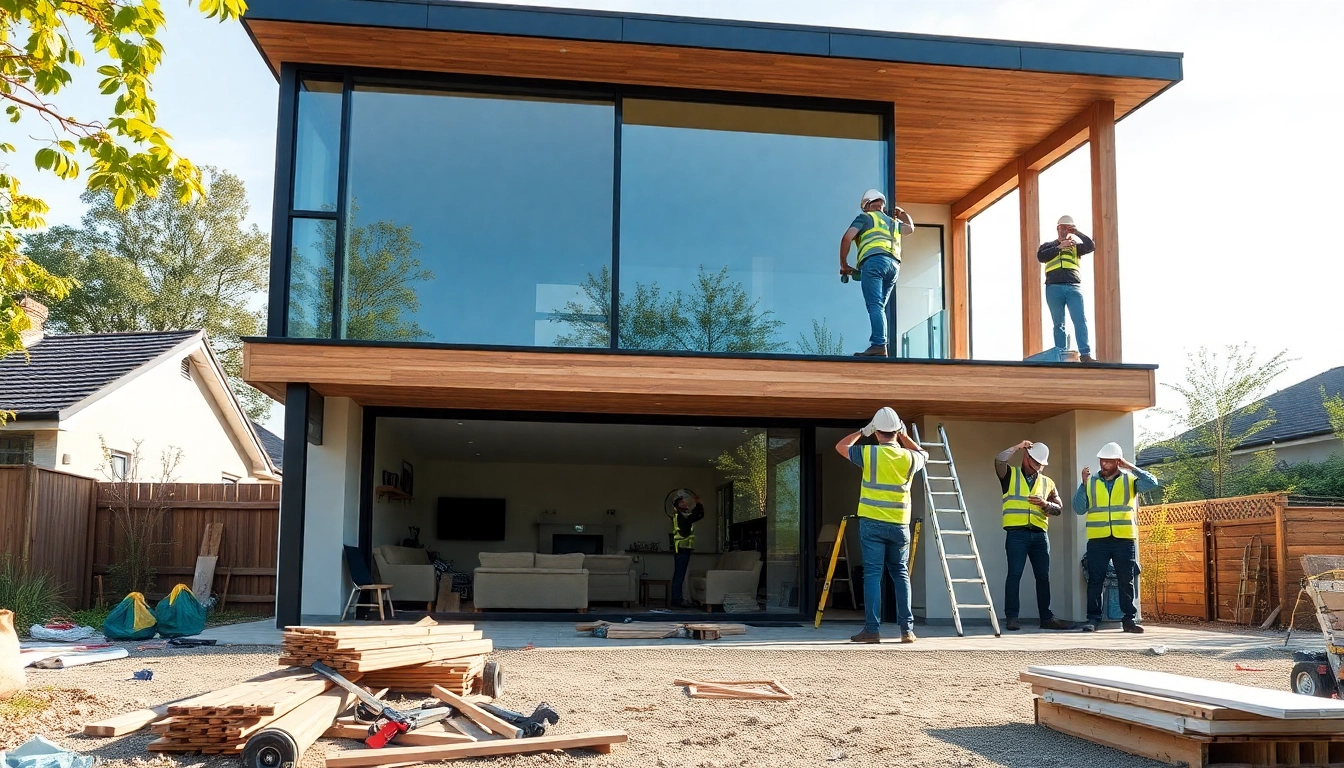
House extension construction showcasing a modern design with framing workers in action.

Why Consider a House Extension?

When contemplating home improvements, many homeowners find that a house extension construction is a practical and rewarding option. A well-executed extension not only maximizes your property’s space but also enhances its overall aesthetic appeal and value. In an ever-evolving real estate market, understanding the benefits of extending your home can help you make informed choices that align with your family’s needs and aspirations.

1. The Benefits of Extending Your Living Space

Extending your home provides the luxury of additional space, which is particularly beneficial for growing families. Whether it’s creating an extra bedroom, a larger living area, or a dedicated home office, more room translates into greater comfort and functionality. Moreover, a house extension can also serve as a private sanctuary—redefining how you live and interact within your home.

2. Increasing Property Value Through Extensions

Investing in an extension can significantly increase your property’s market value. Recent studies show that homeowners can see a return of up to 70% on their investment in a well-planned extension. By modernizing your home while adding square footage, you not only enhance your living environment but also attract prospective buyers should you decide to sell in the future.

3. Addressing Changing Family Needs with Extensions

As families grow and change, so do their needs. A house extension is an excellent solution to these evolving requirements, whether it’s accommodating new family members, adapting to remote working trends, or simply creating a space that reflects your changing lifestyle. Extensions can be tailored to deliver spaces that address specific needs, making them a flexible choice for any homeowner.

Planning Your House Extension

Before embarking on a house extension, meticulous planning is essential. This ensures that your extension not only meets your needs but also conforms to local regulations and fits within your budget. Understanding the scope of your project will help streamline the entire process.

1. Key Considerations Before Starting

Consider what type of extension best suits your lifestyle: Will it be a single-storey addition, a double-storey extension, or a basement conversion? Each option has different implications for your home, and choosing the right one depends on your goals, available space, and budget.

2. Permits and Regulations: What to Know

Melbourne has specific building regulations that must be adhered to when planning your extension. Obtaining the necessary permits ensures that your project complies with local laws, preventing potential legal issues down the line. Familiarize yourself with the building codes and zoning regulations in your area to avoid complications.

3. Crafting a Detailed Project Timeline

Establishing a timeline for your extension project keeps the process on track and helps manage your expectations. From initial design consultations to the final construction phase, having a clear and organized plan will facilitate smoother communication with your builder and ensure timely completion of the project.

The House Extension Construction Process

The construction process for a house extension is an intricate series of steps that requires coordination among various professionals. A well-executed plan will not only streamline construction but also lead to a more satisfying end result.

1. Initial Consultation and Design Planning

The journey begins with a consultation with your builder or architect. This meeting is a chance to discuss your vision, requirements, and budget. Effective communication at this stage is key to developing a design that aligns with your goals and complements your existing home.

2. Site Preparation and Foundation Work

Before construction begins, the site must be prepared. This could involve clearing existing structures or landscaping. Once the site is ready, foundation work commences, which is critical for ensuring the stability and longevity of your extension.

3. Finishing Touches: Ensuring Quality

Quality control during the finishing stages of the construction process will guarantee that your extension meets the highest standards. This includes everything from electrical and plumbing installations to interior finishes and landscaping. A thorough final inspection will ensure that all aspects of your extension are up to code and ready for you to enjoy.

Key Features to Include in Your Extension

Incorporating innovative features into your house extension can elevate functionality and style. It’s important to choose elements that align with your lifestyle while also enhancing the overall appeal of your home.

1. Designing Open-Plan Living Areas

Open-plan living areas have become increasingly popular, as they foster a sense of spaciousness and encourage social interactions. By integrating living spaces, kitchens, and dining areas, you create a versatile environment perfect for family gatherings and entertaining.

2. Customizing Kitchen and Bathroom Spaces

The kitchen and bathrooms are often focal points in any home. Custom designs that incorporate modern appliances, smart storage solutions, and luxurious finishes can dramatically improve both functionality and aesthetics. Unique features such as walk-in showers, double vanities, and personalized cabinetry add both value and character to your home.

3. Incorporating Sustainable and Energy-Efficient Features

As environmental awareness increases, many homeowners are opting for sustainable building practices. Incorporating energy-efficient windows, insulation, and appliances not only reduces your carbon footprint but can also lead to significant long-term savings on energy bills.

Choosing the Right Builder for Your Extension

Finding a reputable builder is a critical step in ensuring the success of your house extension. A builder’s experience and credentials can significantly impact the quality and efficiency of your project.

1. Researching Experience and Reputation

Look for builders with a proven track record in house extension construction. Checking online reviews, asking for recommendations, and viewing previous projects can help you gauge their competence and reliability.

2. Understanding Cost Breakdown and Budgeting

Discussing costs upfront with your builder can help to set clear expectations. A transparent cost breakdown will allow you to prioritize extension features and avoid unexpected expenses. Understanding the pricing structure will also facilitate better budget management throughout the project.

3. Building Strong Communication with Your Builder

Effective communication is essential throughout the construction process. Establishing a clear line of communication with your builder will ensure that any concerns are quickly addressed, and changes can be made efficiently.

Cost Breakdown of House Extensions

Understanding the costs associated with a house extension can help you plan effectively and make informed decisions. Various factors influence the overall cost, including the size of the extension, materials used, and the complexity of the design.

Typical expenses can include:

  • Architectural design fees
  • Permit and approval costs
  • Site preparation and foundation costs
  • Construction materials and labor
  • Interior finishes and landscaping

Benefits of a House Extension

House extensions offer numerous advantages, making them an attractive option for homeowners. These benefits include:

  • Increased living space
  • Enhanced property value
  • Customizability to suit lifestyle and family needs
  • Opportunity to incorporate modern, sustainable designs

Tips for a Smooth House Extension

To ensure that your house extension runs smoothly, keep the following tips in mind:

  1. Define Your Needs: Assess your requirements and establish clear goals for the extension.
  2. Set a Budget: Develop a realistic budget that accounts for all stages of the project.
  3. Get Permits and Approvals: Ensure compliance with local regulations through proper permits.
  4. Hire a Reliable Builder: Choose a builder with experience in house extensions to ensure quality workmanship.

Conclusion

A house extension is an effective way to enhance your living space, increase property value, and adapt to changing family needs. By conducting thorough research, planning carefully, and working with experienced professionals, you can transform your home into a tailored sanctuary that meets your lifestyle preferences. Begin your extension journey today and bring your vision to life!

Posted on

Elevate Your Bathroom Design with Elegant Shower Bases for Modern Homes

Showcase of elegant shower bases featuring smooth designs and a contemporary bathroom backdrop.

Introduction to Elegant Shower Bases

In the pursuit of creating the perfect bathroom, the choice of shower base can significantly impact both functionality and aesthetic appeal. One standout option available is the elegant shower bases, which not only enhance the look of your bathroom but also offer various practical benefits. In this comprehensive guide, we shall delve into what elegant shower bases are, their benefits, popular styles, materials, and much more, equipping you with all the necessary knowledge to make an informed choice.

What Are Elegant Shower Bases?

Elegant shower bases are specialized flooring solutions designed specifically for showers. Unlike traditional shower bases, these options emphasize both style and practicality. Typically crafted from high-quality materials, they provide a beautiful foundation for your shower area, seamlessly integrating with the rest of the bathroom décor. Available in various shapes, sizes, and finishes, elegant shower bases cater to diverse design preferences, making them suitable for modern, classic, or even eclectic spaces.

Benefits of Choosing Elegant Shower Bases

Opting for elegant shower bases presents several benefits that can significantly enhance your bathing experience and bathroom aesthetics:

  • Aesthetic Appeal: Their stylish designs add a touch of luxury, transforming an ordinary bathroom into a sophisticated sanctuary.
  • Durability: Most elegant shower bases are made from durable materials like acrylic or stone, ensuring longevity and resistance to wear and tear.
  • Easy Cleanup: Smooth surfaces are simpler to clean and maintain, minimizing the buildup of mold and mildew.
  • Customizable Options: With a variety of styles, colors, and finishes, homeowners can choose elegant shower bases that perfectly match their vision.
  • Safety Features: Many models are designed with slip-resistant surfaces, enhancing safety in wet conditions.

Popular Styles and Materials

When deciding on an elegant shower base, understanding the array of styles and materials available is essential. Here are some popular options:

  • Acrylic: Lightweight and cost-effective, acrylic bases are available in various colors and shapes. They are known for being easy to install and maintain.
  • Fiberglass: Similar to acrylic, fiberglass bases are durable but typically come with a textured surface, providing additional grip.
  • Ceramic: Ceramic tiles or bases can offer a timeless look, with an extensive range of designs and colors to choose from.
  • Natural Stone: For a more luxurious vibe, natural stone bases such as granite or marble bring elegance and durability. However, they may require more maintenance.
  • Glass: Glass shower bases lend an ultra-modern appearance and are often combined with tile or stone for a unique touch.

Factors to Consider When Selecting Elegant Shower Bases

Size and Space Requirements

The size of your shower area is a fundamental aspect to consider when selecting elegant shower bases. It’s vital to measure your space accurately to ensure a perfect fit. A poorly sized shower base can lead to leaks or inadequate drainage, so take the time to assess your layout. Additionally, consider the dimensions of your bathroom; a larger base may provide better comfort, while a compact design is ideal for smaller spaces.

Style and Aesthetic Compatibility

Your shower base should complement the overall style of your bathroom. Whether you lean toward modern minimalism or vintage charm, choose a base that matches your aesthetic preference. Look for color palettes and textures that harmonize with your existing fixtures, tiles, and paint colors. For example, pairing a sleek, white acrylic base with a monochrome color scheme can create a flawless modern look.

Maintenance and Durability

Different materials require varying levels of upkeep. For instance, natural stone bases may necessitate sealing to prevent stains, while acrylic bases usually require just a gentle cleaner. Evaluate the durability of the materials based on your household’s usage patterns. If you have a high-traffic bathroom or children, opting for a more robust base that withstands heavy use will prove beneficial in the long run.

Installation Guide for Elegant Shower Bases

DIY vs. Professional Installation

Deciding between DIY installation and hiring a professional can be daunting. While a DIY approach can save on costs, it requires careful planning and skilled execution. Ensure that you’re confident in your plumbing and tiling abilities before opting for DIY. On the other hand, professional installers bring experience that may result in a flawless finish, adhering to local building codes and standards.

Essential Tools and Materials Needed

If you choose to embark on a DIY project, gather the following tools and materials to make your installation smoother:

  • Measuring tape
  • Level
  • Pencil and notepad for notes
  • Bathroom adhesive
  • Grout
  • Silicone caulk for sealing
  • Tools for plumbing (wrench, screwdriver, etc.)

Step-by-Step Installation Process

Installing an elegant shower base requires attention to detail. Here’s a step-by-step guide for a smooth installation:

  1. Preparation: Clear the bathroom area and ensure you have all tools and materials ready.
  2. Measure and Cut: Take precise measurements of your shower area, then cut your new shower base to fit if necessary.
  3. Drain Placement: Ensure that the drain is aligned correctly with your plumbing. This is crucial for proper drainage.
  4. Adequate Support: Install supports if needed, ensuring your base is stable and level on all sides.
  5. Adhere: Apply bathroom adhesive before placing the shower base. Follow manufacturer instructions carefully.
  6. Sealing: Once installed, seal the edges with silicone caulk to prevent leaks.
  7. Final Checks: After installation, run water to check for leaks and ensure proper drainage.

Complementing Your Elegant Shower Bases with Accessories

Choosing the Right Shower Fixtures

Selecting the right shower fixtures is essential for both functionality and style. Ensure that your showerhead and faucet complement the design language of your elegant shower base. Consider options like handheld showers or rain showerheads for added versatility.

Adding Storage Solutions

Maximize space in your shower area by adding smart storage solutions such as corner shelves or built-in niches. These can help keep toiletries organized while maintaining a clean, uncluttered look.

Incorporating Luxurious Touches

Add a touch of luxury to your bathroom with elegant accessories. Consider installing a sleek towel warmer, stylish shower curtains, or a chic bench for added comfort. Such details can elevate your bathing experience and enhance the overall ambiance of the bathroom.

FAQs About Elegant Shower Bases

What materials are elegant shower bases made of?

Elegant shower bases can be made from acrylic, fiberglass, ceramic, glass, or natural stone, each offering unique aesthetics and durability.

How do I maintain my elegant shower base?

Regular cleaning with non-abrasive agents helps maintain the beauty of elegant shower bases. Avoid harsh chemicals to prevent damage.

Can elegant shower bases fit in any bathroom layout?

Yes, elegant shower bases come in various shapes and sizes, making them suitable for a range of bathroom layouts.

Are elegant shower bases easy to install?

Installation varies based on the type; some might require professional help, while others can be DIY projects with proper guidance.

How do I choose the right shower base for my home?

Consider space, style, ease of maintenance, and personal preferences to choose the right elegant shower base for your bathroom.

Posted on

Enhance Your Bathroom with Stylish Sliding Shower Doors: A Complete Guide

Beautiful sliding shower doors elevating a modern bathroom with sleek design and style.

Introduction to Sliding Shower Doors

Shower doors are a critical element in any bathroom, offering both functionality and style. Among the various options available, sliding shower doors have gained immense popularity, thanks to their space-saving design and modern aesthetic. As bathrooms continue to evolve into serene retreats within our homes, the choice of shower doors becomes increasingly significant, contributing to both the overall ambiance and practical use of the space.

Understanding Sliding Shower Doors

Sliding shower doors operate on a simple yet efficient mechanism, allowing them to glide open and close horizontally. This design is particularly advantageous in smaller bathrooms where swinging doors could obstruct movement or require additional space. Sliding doors typically consist of two or more glass panels that slide on tracks mounted at the top and bottom, ensuring a seamless experience during entry and exit.

Benefits of Sliding Shower Doors

There are numerous advantages to choosing sliding shower doors over traditional options. Here are some key benefits:

  • Space Efficiency: Sliding doors require less space to operate, making them ideal for bathrooms with limited room.
  • Modern Aesthetics: These doors present a sleek, contemporary look that enhances the overall design of the bathroom.
  • Easy Access: The sliding mechanism allows for easy and swift access to the shower area, accommodating various mobility levels.
  • Customizable Styles: Available in various materials, finishes, and styles, sliding doors can be tailored to fit any bathroom décor.

Types of Sliding Shower Doors

Sliding shower doors come in several types, each designed to fit specific needs and preferences:

  • Single Sliding Doors: These consist of a single panel that slides to one side. They are simple and efficient for smaller shower areas.
  • Double Sliding Doors: Featuring two sliding panels, these doors allow for wider access and can enhance the appearance of more spacious interiors.
  • Frameless Sliding Doors: Modern and stylish, these doors create an open feel and are easier to clean due to the lack of frames, which can harbor dirt.
  • Framed Sliding Doors: These doors feature metal frames that provide support and stability, often available in various finish options.

Choosing the Right Sliding Shower Doors for Your Bathroom

When selecting sliding shower doors, several factors should be considered to ensure they meet your specific needs. From size to style and material, the choices can significantly influence the functionality and aesthetic of your bathroom.

Size and Layout Considerations

The size of your shower enclosure plays a crucial role in determining the type of sliding shower doors that will work best. Accurately measuring the space is essential before moving forward with any installation:

  • Measure Width and Height: Ensure you take precise measurements of the shower opening to prevent any fitting issues later.
  • Consider Accessibility: Think about who will be using the bathroom. If accessibility is a concern, wider doors may be more fitting.
  • Account for Wall Space: Ensure that there is enough wall space for the door to slide open without obstruction.

Frame Styles and Finishes

The frame style and finish of sliding shower doors can significantly influence the overall look of your bathroom. Consider these options:

  • Chrome: Popular for its modern appeal, chrome finishes are shiny and reflective, helping small spaces feel larger.
  • Brushed Nickel: Offering a warmer tone, brushed nickel can add elegance and sophistication to your bathroom décor.
  • Black Matte: This contemporary finish is becoming increasingly popular, providing a striking contrast against lighter tiles.

Glass Options and Their Features

The type of glass used in sliding shower doors is another vital consideration that affects both durability and appearance:

  • Clear Glass: Ideal for showcasing stylish tiles or fixtures, clear glass maximizes light and creates a sense of openness.
  • Frosted Glass: This option offers more privacy while still letting light in. It is a popular choice for shared bathrooms.
  • Laminated Glass: Enhanced with layers for additional safety, laminated glass minimizes the risk of shattering, making it a practical choice for family bathrooms.

Installation Process for Sliding Shower Doors

Installing sliding shower doors can be a straightforward process if approached methodically. While some homeowners might opt for professional installation, others may wish to tackle this project themselves.

Preparing Your Bathroom

Before diving into the installation, ensure your bathroom is ready:

  • Clear the Area: Remove any existing shower doors or curtains and clean the surrounding area.
  • Check Wall and Floor Condition: Ensure that the walls and floor are even and free from any damages that could affect installation.
  • Gather Tools: Assemble necessary tools such as a drill, level, screwdriver, and tape measure before you begin.

Step-by-Step Installation Guide

Here’s a simple guide to follow for installing sliding shower doors:

  1. Measure and Mark: Start by measuring the top and bottom mounting points on the wall. Mark where the tracks will be installed.
  2. Install the Top Track: Drill the top track into the wall, ensuring it is level before securing it completely.
  3. Attach the Bottom Track: Lay the bottom track along the shower base, ensuring it aligns with the top track.
  4. Hang the Doors: Attach the rollers to the doors. Lift the doors into the top track, ensuring they glide smoothly.
  5. Final Adjustments: Adjust the height of the doors and ensure they are aligned correctly before securing everything in place.

Common Mistakes to Avoid

While installing sliding shower doors, keep an eye out for these common pitfalls:

  • Inaccurate Measurements: Double-check measurements to prevent issues that can arise from miscalculations.
  • Neglecting Waterproofing: Ensure proper sealing around edges to prevent water leakage.
  • Wrong Tools: Using improper tools can lead to damages, so ensure you have the right ones before starting.

Maintenance and Care for Sliding Shower Doors

Maintaining your sliding shower doors is crucial not only for their longevity but also for the hygiene of your bathroom. Proper care can significantly reduce wear and tear, keeping your shower doors looking fresh and new.

Regular Cleaning Tips

Cleaning sliding shower doors doesn’t have to be a chore. Here are some practical tips:

  • Daily Rinsing: Rinse the doors with water after each use to remove soap residue and prevent buildup.
  • Use a Squeegee: A squeegee can help to remove water spots and minimize mildew growth.
  • Anti-Scale Cleaners: Employ anti-scale products regularly to keep glass clear and free of minerals.

Preventing Mold and Mildew

Mold and mildew thrive in humid environments, making bathrooms a prime target. To combat this, consider the following:

  • Ventilation: Ensure your bathroom is well-ventilated to reduce moisture levels, such as installing an exhaust fan.
  • Use of Mold Inhibitors: Spray mold-resistant solutions on the doors and surrounding tiles during cleaning.
  • Keep the Area Dry: Wipe down surfaces after use to prevent water accumulation.

When to Seek Professional Help

While many maintenance tasks can be done by homeowners, some situations may require professional intervention:

  • Heavy Scratches: If your sliding doors are scratched or damaged significantly, a professional can help restore or replace them.
  • Installation Issues: If the doors do not align properly or have difficulty sliding, seeking a professional can save time and effort.
  • Mold Problems: Persistent mold or mildew problems may indicate deeper issues that require expert assessment and remediation.

FAQs About Sliding Shower Doors

How to Measure for Sliding Shower Doors?

Measure the width and height of your shower opening. Subtract approximately 1/4 inch from each dimension for a proper fit.

Can I Install Sliding Shower Doors Myself?

Yes, with basic tools and careful measuring, you can successfully install sliding doors. Follow manufacturers’ instructions for best results.

What Maintenance Do Sliding Shower Doors Require?

Regular cleaning, removing soap scum, and ensuring proper ventilation are essential for maintaining the appearance and functionality of sliding shower doors.

Are Sliding Shower Doors Suitable for Small Bathrooms?

Yes, their sliding mechanism makes them ideal for small bathrooms as they do not require space to swing open, maximizing the usable area.

What Glass Thickness Should I Choose for Durability?

A thickness of at least 1/4 inch is recommended for durability in sliding shower doors, though 3/8 inch is even sturdier for higher-end installations.