
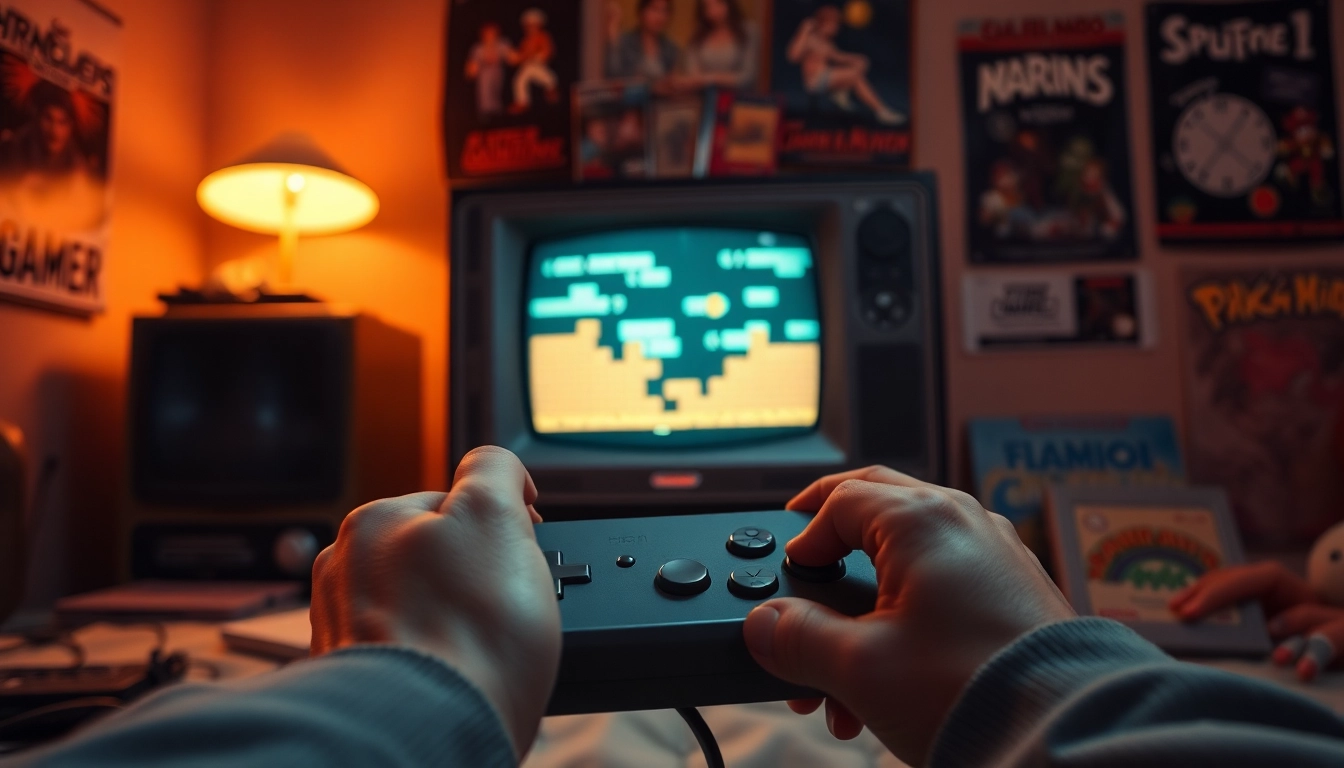
Understanding Classic Games: A Timeless Appeal
Classic games have a unique charm that transcends generations, drawing in players with nostalgic appeal and engaging mechanics. From digital classics to traditional board games, these titles resonate with both older generations and younger enthusiasts. As we explore the world of classic games, we delve into their definitions, historical context, and their significant cultural impact.
The Definition of Classic Games
Classic games can be broadly defined as titles that have stood the test of time, often recognized for their innovative gameplay, artistic style, or cultural significance. These games typically evoke a sense of nostalgia and are often played by those who experienced them during their initial release. However, their appeal isn’t solely rooted in nostalgia; they frequently offer gameplay experiences that remain relevant and enjoyable many years later.
Historical Context and Evolution of Gaming
The evolution of gaming has seen a radical shift from simple 8-bit graphics to today’s sophisticated gaming engines. Classic games, primarily from the 70s, 80s, and 90s, laid the groundwork for modern gaming, introducing concepts like level design, storytelling, and multiplayer experiences. Titles such as Pac-Man, Super Mario Bros., and The Legend of Zelda not only defined their eras but also influenced countless successors and genres.
Why Classic Games Matter in Today's Culture
In an age where gaming continues to grow exponentially, classic games remain relevant for several reasons. First, they offer insights into the development of game mechanics and storytelling that modern games build upon. Second, they serve as a bonding experience for families, allowing older and younger players to connect through shared gaming experiences. Lastly, classic games are crucial to the gaming industry's heritage, reminding us of its roots and the cultural movement it has sparked.
Top Classic Games to Experience in 2026
As we look towards 2026, several classic games continue to offer rich experiences that appeal to both long-time fans and newcomers. These titles not only showcase great gameplay but also highlight significant advancements in technology and design.
Must-Play Titles Across Different Eras
- Pac-Man (1980): A true arcade icon, this maze chase game introduced gamers to power pellets and ghost dynamics.
- Tetris (1984): This tile-matching puzzle game is a timeless classic known for its simple yet addictive gameplay, influencing many puzzle games that followed.
- Super Mario 64 (1996): Pioneering 3D platforming, it set a benchmark for exploration and control in video games.
- The Legend of Zelda: Ocarina of Time (1998): Renowned for its narrative and open-world design, it remains a cornerstone of action-adventure gaming.
- Doom (1993): Often credited with popularizing first-person shooters, it introduced fast-paced action and immersive gameplay.
Analysis of Iconic Game Mechanics
Classic games often feature mechanics that have become cornerstones of modern game design. For instance, the level progression seen in platformers like Super Mario Bros. encourages players to master skills before advancing. Similarly, games like Doom implemented first-person perspective and environmental storytelling, elements that are still prevalent in contemporary video games.
How Classic Games Influence Modern Game Design
Today’s game developers continue to draw inspiration from classic titles. The emphasis on character-driven narratives in games like Final Fantasy VII echoes the storyline depth established by earlier games, while the strategic gameplay found in titles like Chess and Risk influences many modern strategy games. This cultural lineage is evident in how new games integrate established mechanics while innovating for fresh experiences.
Playing Classic Games Online: Platforms and Communities
With the rise of online platforms, accessing classic games has never been easier. Many dedicated websites offer collections of these beloved titles, ensuring that they remain within reach of new generations of gamers.
Best Websites for Classic Game Experiences
- Internet Archive: A treasure trove of classic PC games available for play through your web browser.
- ClassicReload.com: Features a vast library of retro games, playable directly on the site without downloads.
- PlayClassic.Games: A platform dedicated to classic titles from various consoles, allowing nostalgic gameplay.
- Nintendo Switch Online: Offers a selection of classic Nintendo games as part of the subscription service, appealing to both old fans and new players.
Building a Community Around Classic Gaming
Engaging with classic games online often leads to the formation of passionate communities. Various forums and subreddits encourage discussions about favorite titles, strategies, and remembrances of playing these games in their prime. These spaces are invaluable for sharing tips, finding new friends, and even joining virtual competitions based on classic titles.
Tips for Finding Hidden Gems in Classic Games
When hunting for classic games, consider exploring lesser-known titles or indie games inspired by classics. Look for recommendations in online communities, and explore gaming forums for discussions about underrated gems. Platforms that feature user-generated content, such as modded versions of classic games, can also uncover unique experiences that add a fresh twist to beloved games.
Reviving Classic Games: Preservation and Accessibility
As technology advances, the preservation of classic games has become increasingly important. Many organizations and individuals are dedicated to ensuring that these titles are maintained and accessible to future generations.
The Importance of Game Preservation
Game preservation involves not just saving the physical media but also maintaining the cultural context in which these games were created. Organizations like the Video Game History Foundation work to collect and archive games, industry artifacts, and related materials to provide future gamers with the opportunity to understand the history and evolution of gaming.
Modern Emulators and Their Role
Emulators play a crucial role in the accessibility of classic games. They allow users to play old titles on modern hardware, bridging the gap between generations of gaming. By using emulation software, players can experience classic games without needing the original consoles, making it easier to relive fond memories or discover them for the first time.
Legal Considerations in Classic Game Re-releases
The revival of classic games often raises legal questions concerning copyright and intellectual property. Developers must navigate these issues carefully when re-releasing older titles or creating remakes. Ensuring that original creators are recognized and compensated remains essential, emphasizing the balance between nostalgia and ethical gaming practices.
The Future of Classic Games: Trends to Watch
The landscape of gaming continues to shift, and the future of classic games will likely be shaped by technological advancements and community engagement.
Emerging Technologies in Gaming Preservation
As new technologies evolve, methods for preserving and playing classic games will improve. Innovations like cloud gaming may offer new avenues for accessing classic titles without needing physical copies, facilitating greater access to previously hard-to-find games.
The Role of Streaming in Classic Gaming
With the rise of streaming platforms, classic games are becoming more visible than ever. Streamers often showcase retro titles, drawing attention to their gameplay and story. This exposure not only revitalizes interest in classic games but also fosters a new appreciation among younger audiences who might not have experienced these games during their original release.
Predictions for the Classic Gaming Community in 2026
Looking ahead, the classic gaming community is poised for growth. With ongoing interest in retro gaming, we can expect an influx of new content, including remasters and spin-offs of classic titles. Additionally, the community will likely see more events and conventions celebrating classic gaming, fostering connections among fans and promoting the love for these beloved games.